
How to Choose the Best Shot Blasting Tools in 2026
Choosing the right Shot Blasting Tools in 2026 is not about buying the largest machine or the newest control panel. It is about matching equipment to the surface, abrasive, production rate, and finish you actually need. A small workshop cleaning steel brackets faces different demands from a plant processing long beams every shift. Check the details. Look at wheel or nozzle performance, dust collection, media recovery, spare-part access, and operator controls. Ask for a test on representative parts, not just a polished demonstration sample.
As [verified shot-blasting expert’s name] puts it, “[Insert a verified, sourceable quotation about selecting shot-blasting equipment].” Confirm the expert’s name and exact wording before publication; an unsourced quotation can undermine an otherwise useful guide. Then compare total operating costs, including abrasive use, maintenance, downtime, and energy—not purchase price alone. A machine may look efficient on paper. Your actual workpiece may disagree. Surface shape, contamination, and required profile can change the result, sometimes more than expected. This guide explores how to evaluate those variables, assess safety and service support, and choose Shot Blasting Tools that fit real operating conditions. It also considers where buyer checklists fall short: no checklist replaces a controlled trial and honest review of results. The best choice is specific, measurable, and suited to the work ahead.
Understanding Shot Blasting Tools and Their Applications
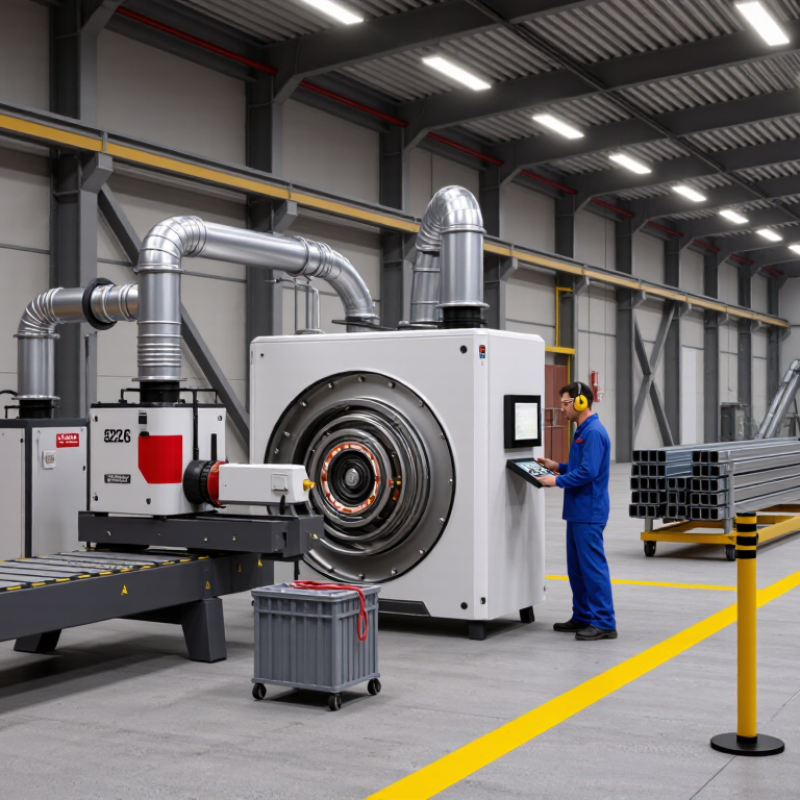
Shot blasting tools propel abrasive media to clean, descale, or texture a surface. Wheel-blast machines use a rotating wheel to throw media at high speed. They suit repeatable work on large batches of steel parts, such as castings or structural sections. Compressed-air systems push abrasive through a nozzle and offer more control for localized cleaning, repairs, or irregular shapes. A cabinet contains the work and abrasive; a portable unit can reach larger surfaces but needs careful containment. It depends.
The right setup starts with the surface and desired result. A heavy steel plate may tolerate aggressive media, while a thin component can warp or become rough if blasted too intensely. Match abrasive type and size to the material, coating, and finish specification. Then check the tool’s working pressure or wheel speed, usable media flow, and dust-collection capacity. These details affect both cleaning consistency and visibility. Not always. A common oversight is choosing by power alone; access, part geometry, and cleanup time matter too. Test a small area and inspect its texture before treating the full part. Keep guards, extraction, and suitable protective equipment in the plan, since airborne dust and rebounding particles are practical hazards, not minor details. The trade-off can be inconvenient: a slower, contained process may produce a more even result.
Matching Tool Types to Materials and Surface Requirements
Choose shot blasting tools by substrate and required finish, not machine price. Wheel blasting suits repeatable, high-volume steel parts. Compressed-air blasting gives better control around welds, corners, and oversized components. Angular steel grit creates a sharper profile on carbon steel, while rounded steel shot cleans and peens with a less angular texture. For thin aluminum, begin with clean, nonferrous media and reduced pressure. Test a small area first; media can embed, and thin panels may distort. No setting works perfectly across every job.
Let the coating specification guide the surface profile. ISO 8503-2 describes comparator-based assessment of blast-cleaned steel, while replica tape or a suitable profile gauge can help verify the result. Match your measurement method to the required tolerance. Dust control matters, too: NIOSH recommends a respirable crystalline silica exposure limit of 0.05 mg/m³ as a time-weighted average. Treat that figure as a useful planning reference, not a replacement for workplace exposure assessment.
Tips: Record media type, nozzle distance, pressure, and test results for each substrate. If the finish misses its target, change one variable at a time. It takes longer, but the cause becomes clearer.
Comparing Power, Capacity, Abrasives, and Operating Costs
How to Choose the Best Shot Blasting Tools in 2026
Compare tools by the surface area they can clean per hour, not by advertised power alone. A compact unit may suit a small workshop, while a larger job needs enough capacity to avoid constant pauses for refilling. Check the required air supply, motor rating, and duty cycle against your site’s actual power and compressor. A mismatch can slow work and raise energy costs. I would also allow extra capacity for awkward corners; they often take longer than estimates suggest.
Tips: Test a small area first. Match abrasive size and hardness to the surface and finish you need. Reusable media may reduce material costs, but only when it stays clean and the recovery system works well. Keep dust collection and protective equipment in the plan.
Compare total operating costs, including electricity, abrasives, filters, maintenance, and downtime. Ask how often wear parts need inspection, and whether routine checks are manageable for your crew. Track abrasive use on a real job; estimates can be off. Not every cheaper tool is a bargain, but paying for excess capacity can also be wasteful. Choose the setup that meets your production needs safely, with clear operating limits and accessible service guidance.
How to Choose the Best Shot Blasting Tools in 2026 - Comparing Power, Capacity, Abrasives, and Operating Costs
Compare common blasting systems by their typical power requirements, practical workload, compatible media, and relative running costs.
| Blasting tool | Typical power requirement | Practical capacity | Common abrasives | Relative operating cost | Best suited to |
|---|---|---|---|---|---|
| Suction-feed blast cabinet | Compressed air; roughly 20–80 CFM at about 90–100 PSI, depending on nozzle size and setup. The compressor must deliver the required airflow at pressure. | Small parts and light-to-medium production; cabinet dimensions set the maximum workpiece size. | Aluminum oxide, glass bead, garnet, and other media compatible with the cabinet’s recovery system. | Low to medium. Typically uses less air than a comparable pressure-feed setup; media life depends on the material being blasted and how well dust is removed. | General cleaning, deburring, and surface finishing of smaller components. |
| Pressure-feed blast cabinet | Compressed air; demand varies with nozzle size and pressure. A larger nozzle can require around 80 CFM or more at approximately 90–100 PSI. | Small-to-medium parts; faster material removal than many suction-feed setups when sufficient air supply is available. | Aluminum oxide, garnet, glass bead, and other media approved for the equipment and workpiece. | Medium. Higher air use can raise energy costs; a reclaim system can reduce media replacement needs. | Repeatable cabinet work that needs stronger or faster blasting than a basic suction cabinet provides. |
| Portable pressure blast pot | Compressed air; a common planning range is about 80–300 CFM at approximately 90–100 PSI for 1/4–1/2 inch nozzles. Confirm actual nozzle consumption before selecting a compressor. | Large, awkward, or fixed-in-place surfaces; capacity depends on pot size, hose length, nozzle, and available air. | Garnet, aluminum oxide, mineral abrasives, and steel grit or shot where the system and surface allow. Media may be expendable or reclaimed. | Medium to high. High airflow and media use can increase costs; reclaiming suitable media may lower replacement consumption. | Field work, structural steel, tanks, and other surfaces too large for a cabinet. |
| Wheel-blast machine | Electric motor drives the blast wheel; small-to-medium machines commonly use motors in the several-to-tens-of-horsepower range. Dust collection and conveying equipment add electrical load. | High throughput for repeatable parts or continuous production; work size and shape are limited by the machine and its handling system. | Primarily reusable metallic shot or grit selected for the required cleaning intensity and surface profile. | Medium per part at steady volume; high fixed demand. Electrical use and maintenance are ongoing costs, while media recovery can reduce abrasive replacement. | High-volume, repeatable processing of suitable parts, castings, and fabricated components. |
| Wet or vapor-blasting system | Uses a water-and-abrasive slurry with compressed air or a pump, depending on system design. Air demand and electrical load vary considerably by model. | Small-to-medium parts are common; capacity depends on the enclosure, pump or air supply, and water-management setup. | Fine glass bead, aluminum oxide, and other media specified for wet use; abrasive and water compatibility must be checked. | Medium to high. Costs include power, water handling, slurry maintenance, drying, and media replacement or conditioning. | Finishing applications where reduced airborne dust or a less aggressive, more uniform surface treatment is important. |
Comparison notes: Airflow figures are broad planning ranges, not equipment specifications; actual consumption changes with nozzle diameter, operating pressure, wear, and hose setup. Relative operating costs compare typical day-to-day resource demands and exclude labor, purchase price, and facility costs. Check the tool manufacturer’s specifications and confirm compressor delivery at the required pressure before purchase.
Checking Safety Features, Compatibility, and 2026 Standards
Choosing shot blasting tools in 2026 means checking more than advertised pressure. Look for a hold-to-run control that stops blasting when released, secure hose connections, protective guards, and clear instructions for inspection. Dust collection matters, too. Fine residue can cloud a workshop and hide hazards. Check noise levels and required protective equipment against your actual work area, not just a product sheet. Fit matters.
Compatibility starts with the machine’s air demand, nozzle size, and the abrasive media it can handle. Compare those figures with your compressor’s sustained output, not its brief peak rating. A mismatch may cause weak, uneven blasting or extra wear. Confirm that the media suits the surface; a delicate panel needs a gentler approach than a thick steel component. If possible, test on a small, hidden area first.
For 2026, verify current safety and equipment requirements that apply where the tool will be used. Standards and guidance can differ by location, and revisions may affect documentation, guarding, or dust controls. Ask for current conformity records and maintenance guidance, then check them with a qualified safety professional when requirements are unclear. I’ve seen buyers focus on pressure and overlook seals. It is an easy mistake, and a costly one. Inspect fittings and hoses before each session.
Evaluating Suppliers, Maintenance Needs, and Long-Term Value
Choosing shot blasting tools in 2026 means judging the supplier beyond the purchase price. Ask for written wear-part lead times, service response times, and clear acceptance tests. A reliable supplier should explain how abrasive type, feed rate, and part geometry affect wear. Request maintenance intervals and a parts list before signing. Check whether common items, such as seals and impeller blades, can be inspected without lengthy disassembly. Small details matter.
Maintenance planning shapes long-term value. The U.S. Department of Energy’s Operations & Maintenance Best Practices Guide reports that predictive maintenance can save 8–12% compared with preventive maintenance, and 30–40% compared with reactive maintenance. These are general facility estimates, not shot-blasting-specific guarantees. Still, they show why scheduled inspections and condition checks deserve a place in the budget. Track vibration, bearing temperature, abrasive consumption, and surface finish. A simple log can reveal gradual performance changes before they disrupt production. Not glamorous, but useful.
Compare total ownership costs over several years: purchase, energy, media, labor, downtime, and replacement parts. Ask suppliers to support their estimates with service records or a site trial. One caution: polished demonstrations rarely show clogged dust collectors or rushed changeovers. Consider those realities, too. No spreadsheet captures every surprise.
How to Choose Shot-Blasting Tools in 2026
Suggested evaluation weights for comparing equipment and suppliers. These are a planning framework—not results from a market survey.
Compare suppliers using the same criteria. Check service coverage and spare-parts lead times, estimate total cost over the expected service life, and confirm maintenance requirements, production capacity, and dust-control provisions against your operating conditions. Adjust the weights to fit your application.