What Is Equipment Inspection and Why Does It Matter?

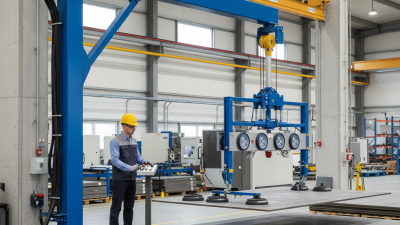
Equipment Inspection is the structured examination of machinery, tools, and safety-related equipment before problems become serious. It may involve visual checks, functional tests, measurements, and maintenance record reviews. A technician might notice a cracked guard, an unusual vibration, or a hydraulic leak during a routine inspection. Small findings can prevent costly failures.

It is not paperwork.

A reliable inspection process follows manufacturer guidance, workplace procedures, and the equipment’s operating conditions. Qualified personnel should understand the machine’s design, common failure points, and safe testing methods. They should also record inspection dates, findings, corrective actions, and the person responsible for follow-up. Clear records help supervisors identify repeated defects and make better maintenance decisions.

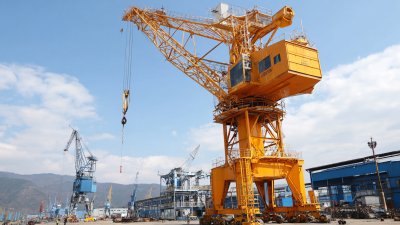
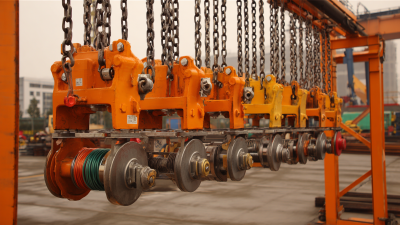
The value becomes obvious on a busy worksite. A loose electrical connection may create heat inside a control panel. A worn lifting sling may show damaged fibers before carrying a heavy load. These details require attention, not assumptions. Equipment Inspection supports worker safety, operational continuity, and responsible asset management.

Still, the process is rarely perfect. Inspectors can miss hidden damage, especially under time pressure or poor lighting. A completed checklist does not prove that every risk has disappeared. That is why organizations should review inspection results, encourage honest reporting, and improve procedures when failures occur. Practical experience matters here. Careful inspection, competent judgment, and timely repairs work together to keep equipment dependable.
What Is Equipment Inspection and Why Does It Matter?

Definition and Purpose of Equipment Inspection

What Is Equipment Inspection and Why Does It Matter?

Definition and Purpose of Equipment Inspection

Equipment inspection is a planned review of machinery, tools, and supporting systems. It checks whether equipment remains safe, functional, and suitable for its intended task. The process may include visual checks, operational tests, measurements, and record reviews. Its purpose is not merely to find damage. It also identifies wear, unsafe changes, and early signs of failure.

In a busy workshop, an inspector may examine a frayed cable, a cracked guard, or a leaking hose. They may listen for unusual vibration and compare a pressure reading with the approved operating range. Small clues matter. A loose fastener today could become a serious stoppage later. Experienced inspectors follow written procedures, but they also consider the equipment’s age, workload, environment, and maintenance history.

A reliable inspection record includes the date, equipment identification, observed condition, test results, and corrective action. Clear records help maintenance teams track repeated faults and verify whether repairs worked. They also support responsible decisions when equipment should be isolated or removed from service. However, inspection is not a perfect guarantee. A clean surface can hide internal damage, and a checklist can miss an unusual sound. That limitation deserves attention. Training, suitable measuring tools, and independent review can reduce these gaps. When a defect appears uncertain, delaying operation for further assessment is often the more professional choice.

Main Types of Equipment Inspection

Equipment inspection is a structured check of machines, tools, and supporting systems. It helps reveal wear, damage, loose connections, and unsafe operating conditions. In practical maintenance work, small findings often prevent expensive downtime. A leaking seal or unusual vibration should never be dismissed as “normal.”

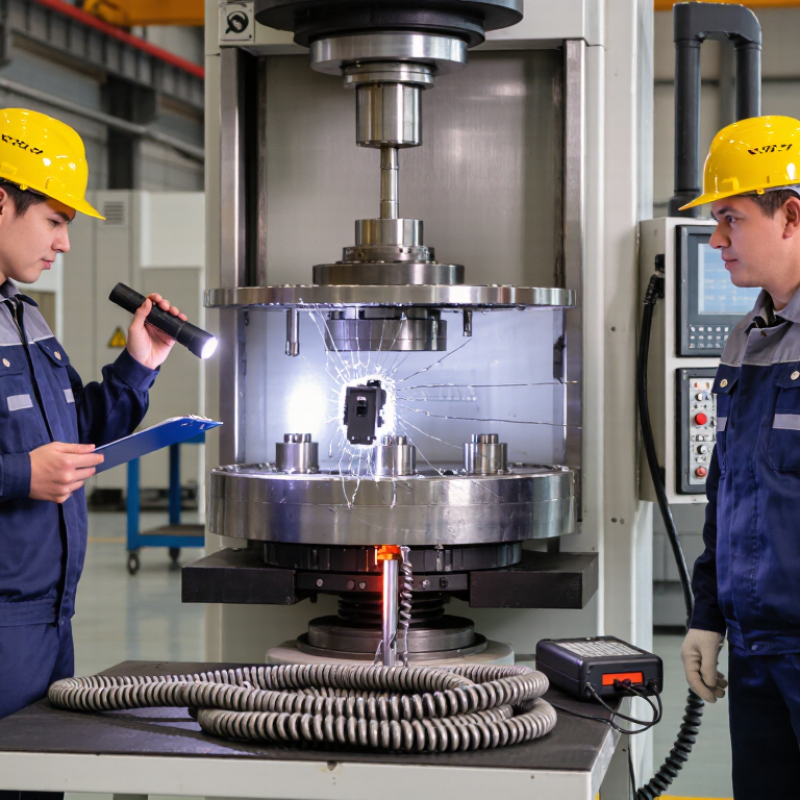
The main types of equipment inspection serve different purposes. Pre-use inspections happen before each shift and usually include visual checks, guards, cables, fluid levels, and warning signals. Routine inspections occur at planned intervals and examine bolts, alignment, lubrication, and performance. Condition-based inspections use measurements such as vibration, temperature, pressure, or sound. These readings can expose hidden faults before failure occurs. Detailed inspections may also include non-destructive testing when internal damage is suspected. Records should show the date, inspector, findings, and corrective action. Without accurate records, patterns disappear.

Tips: Use a clear checklist, but do not follow it blindly. Look under covers when safe and permitted. Compare current readings with earlier results. Photograph unusual damage. Ask operators what changed. Their observations can be valuable. Still, inspection is not flawless. Human fatigue, poor lighting, and rushed decisions can affect results. A second review is wise when damage appears uncertain. Never return equipment to service until qualified personnel verify the risk is controlled.

What Is Equipment Inspection and Why Does It Matter?

Main Types of Equipment Inspection

Equipment inspections help identify unsafe conditions, wear, damage, and performance problems before they cause injuries, failures, or costly downtime. The chart shows commonly used inspection intervals in days. Exact requirements depend on the equipment, applicable regulations, risk level, and the manufacturer’s instructions.

Daily or pre-use checks are commonly required for equipment such as powered industrial trucks, while periodic inspections may range from monthly to annually. Post-event inspections are performed immediately after incidents, overloads, severe weather, or other abnormal conditions.

The Step-by-Step Equipment Inspection Process

Equipment inspection is a practical method for finding hazards before they become failures. It combines observation, testing, measurement, and disciplined recordkeeping. A reliable inspection starts with accurate information. Review the equipment manual, previous reports, operating limits, and maintenance history. Confirm that the inspector understands the equipment type. Wear suitable protective equipment. Stop the machine and control stored energy before opening guards or panels. Never rely on a warning label alone.

The step-by-step process should follow a consistent order. Begin with a clean exterior check. Look for cracks, corrosion, leaks, loose fasteners, damaged cables, and unusual wear. Then inspect guards, emergency controls, indicators, and access points. Test the equipment under controlled conditions, if the procedure permits it. Listen for grinding, watch for vibration, and note heat or odor changes. Use calibrated tools when checking pressure, alignment, insulation, or electrical values. Compare each result with the approved limit, not personal memory. Small details matter.

Record the date, equipment identification, readings, defects, photographs, and inspector’s name. Classify findings by risk, then remove unsafe equipment from service when necessary. Assign each corrective action an owner and due date. Reinspect after repairs. A signed form does not prove the hazard is gone. Experienced inspectors can still miss hidden damage or symptoms that appear only under load. Trend reviews and a second opinion can reveal those weaknesses. No checklist catches everything. A good process leaves room to question the result.

Common Equipment Defects and Safety Risks

Equipment inspection is a practical check of whether a machine remains safe, stable, and suitable for work. It involves observing, testing, and recording visible or hidden defects. An experienced inspector looks beyond appearance. A clean machine can still have a damaged bearing, weakened weld, or failing control switch.

Common defects include frayed power cables, loose fasteners, cracked guards, oil seepage, corrosion, and unusual vibration. A pressure gauge may show an unsafe reading. A lifting component may appear intact but contain a small crack. These failures can cause electric shock, dropped loads, burns, crushing injuries, or sudden equipment movement. Small warning signs matter. So do unusual sounds.

Inspection should follow the equipment manual, approved safety procedures, and applicable workplace requirements. A qualified person should isolate dangerous energy before opening covers or testing components. Inspection records should identify the defect, location, date, risk level, and corrective action. Photos can improve accuracy, especially when damage changes over time. A checklist helps, but it is not enough. It may encourage rushed decisions. I have seen teams mark every box while overlooking a wet floor near energized equipment. That mistake deserves reflection. Workers should report defects immediately and remove unsafe equipment from service until a competent person verifies the repair.

Benefits of Regular Equipment Inspection

Equipment inspection is a practical check of machines, tools, and safety systems before failure becomes expensive. It can reveal loose fasteners, damaged guards, fluid leaks, unusual heat, or declining performance. In my experience, small warning signs often appear during ordinary use. They are easy to ignore. That habit creates risk. Regular inspections help teams protect workers, reduce unplanned downtime, and plan repairs with clearer evidence. They also support reliable maintenance records, which matter when managers review safety decisions or investigate an incident.

The benefits extend beyond safety. Early findings can lengthen equipment life, control repair costs, and improve production consistency. A trained inspector compares actual conditions with technical guidance, internal procedures, and applicable safety requirements. Photos, readings, and dated notes make the assessment more useful than memory alone. Still, inspection is not a guarantee. A rushed check may miss hidden wear, and even experienced people can misjudge a warning sound. Critical equipment may need testing, specialist review, or a second opinion. Honest uncertainty is better than false confidence.

Tips: Set inspection intervals according to risk, use a clear checklist, and record defects immediately. Stop and isolate equipment when a serious hazard appears. Do not rely only on appearance; listen for vibration, check temperatures, and review previous findings. Train inspectors to recognize normal conditions and warning changes. Revisit the checklist after failures. It may be incomplete. That is acceptable if the team improves it.

What Is Equipment Inspection and Why Does It Matter? - Benefits of Regular Equipment Inspection

Inspection Dimension What Is Checked Typical Baseline Frequency Evidence to Record Primary Benefit
Safety Condition Guards, emergency stops, interlocks, warning labels, access points, and visible hazards Before use or at the start of each shift Checklist completion, defect description, risk classification, and corrective action Reduces exposure to preventable injuries and unsafe operation
Physical Condition Cracks, corrosion, loose fasteners, damaged cables, leaks, unusual wear, and structural deformation Daily visual inspection; more frequently in harsh environments Photos, location, component identification, severity, and date found Finds deterioration before it develops into a major failure
Operational Performance Noise, vibration, temperature, pressure, speed, output quality, and abnormal operating behavior During operation and at scheduled maintenance intervals Measured readings compared with approved operating limits Supports early fault detection and stable productivity
Electrical and Controls Plugs, cables, grounding, control panels, alarms, sensors, batteries, and protective devices Before use, after relocation, and at planned technical intervals Test results, instrument used, inspector qualification, and failed components Helps prevent electric shock, control failure, and unexpected shutdowns
Lubrication and Fluid Systems Fluid level, contamination, leaks, filters, hoses, seals, and lubrication points According to operating hours, condition, and maintenance schedule Fluid condition, level, leak location, replacement date, and service action Limits friction, overheating, contamination, and premature component wear
Environmental Suitability Dust, moisture, temperature, chemicals, ventilation, housekeeping, and operating location Before use and whenever operating conditions change Environmental condition, exposure duration, controls applied, and restrictions Protects equipment reliability and reduces environment-related degradation
Compliance and Documentation Inspection status, required certificates, maintenance history, risk assessments, and operator records At each inspection and after repair, modification, or relocation Asset ID, date, inspector, findings, approval status, and close-out date Improves traceability, audit readiness, and accountability
Defect Response Whether equipment is safe to use, requires monitoring, or must be isolated Immediately after a defect is identified Risk level, equipment status, responsible person, repair details, and verification result Prevents known defects from remaining in service and supports timely repair

Note: Inspection intervals are typical planning baselines. The applicable legal requirements, risk assessment, operating environment, equipment condition, and manufacturer instructions should determine the final schedule.