How to Choose the Right Hoist Equipment?

Choosing the right Hoist Equipment starts with the work, not the product catalogue. A chain hoist that suits a quiet maintenance bay may be a poor fit for a dusty fabrication shop or a busy loading area. Before comparing models, identify the heaviest intended load, lift height, lifting frequency, and available power. Include the weight of hooks, slings, and other attachments where relevant. A few minutes spent measuring the actual workspace can prevent a costly mismatch later.

Capacity matters, but it is only one part of the decision. The hoist’s duty rating, lifting speed, controls, mounting arrangement, and operating environment also shape its performance. Consider whether the unit must fit a beam, trolley, or fixed structure, and check that the supporting structure is suitable. Small details matter. A pendant control positioned awkwardly, for example, can make routine lifts less practical. Dust, moisture, temperature, and limited headroom may also affect the choice.

Compare manufacturer specifications, inspection guidance, and service support rather than relying on a single headline figure. Ask a qualified supplier or lifting professional to review unusual loads, frequent cycles, or uncertain installation conditions. Ratings and configurations differ by model, so confirm details in the product documentation. It is easy to miss. Even experienced buyers can overlook a constraint when a project is rushed; I would not treat a neat specification sheet as proof that the equipment fits the job. A careful selection helps create a more reliable lifting setup and makes future maintenance easier to plan.
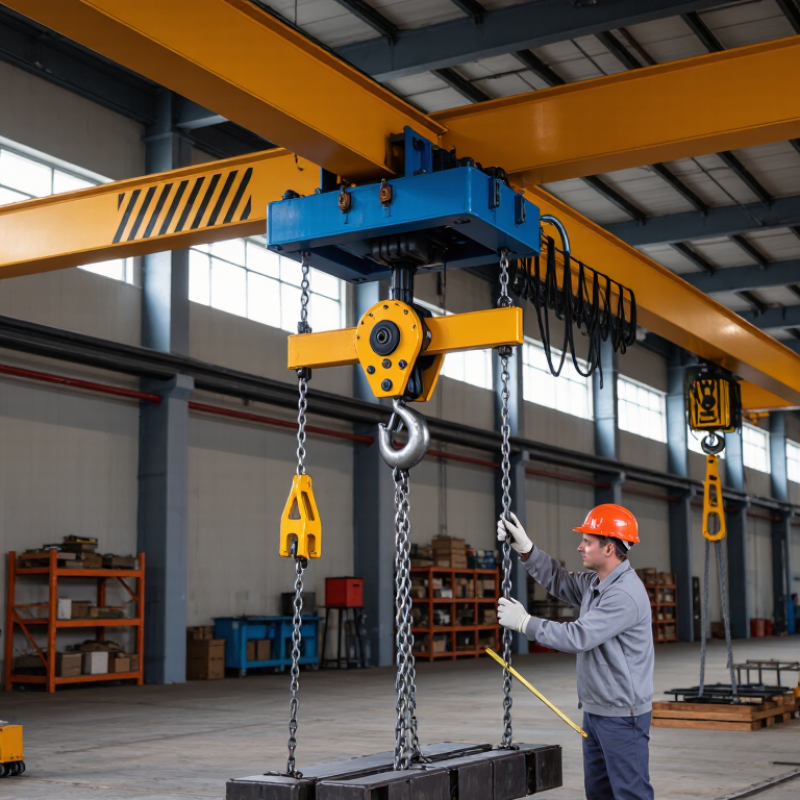
How to Choose the Right Hoist Equipment?

Understand Hoist Types and Their Typical Applications

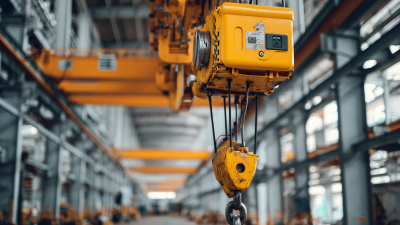
Manual chain hoists work well for occasional lifting where power is unavailable, such as positioning a motor in a repair bay. Their hand chains offer careful control, though repeated lifts can tire an operator. Electric chain hoists suit frequent, lighter-duty movement in workshops and assembly areas. Wire-rope hoists are common for heavier loads, longer lifts, and faster handling in industrial spaces. Space matters. Low-headroom models can help where a beam sits close to the load, but check the hook approach and clearance before choosing one.

Lever hoists pull or tension loads horizontally as well as lifting them, making them useful for aligning machinery or tightening a suspended load. They are not a substitute for choosing equipment rated for the actual lift. Compare load weight, lift height, duty cycle, available power, and the strength of the supporting structure. A hoist’s rating alone does not confirm that the beam or anchor can carry the load. Inspect the chain or wire rope, hooks, brake, and controls before use, and follow the equipment instructions. Real lifts vary. A cramped workshop may make access harder than expected, so a site check can reveal details a specification sheet misses.

How to Choose the Right Hoist Equipment?

Typical rated-capacity ranges by hoist type (tonnes)

Lever hoists are commonly chosen for precise pulling and positioning; manual chain hoists for lifting where power is unavailable; electric chain hoists for frequent workshop and light industrial lifting; and wire rope hoists for heavier-duty, higher-capacity applications. Ranges are indicative and vary by model and configuration. Always check the rated capacity and duty classification for the specific hoist.

Define Load Capacity, Lifting Height, and Duty Requirements

Start with the heaviest load the hoist will routinely lift, not the average load. Include slings, spreader bars, and other attachments in the total. Compare that figure with the hoist’s rated capacity, and check that every supporting component is rated for the same task. Never treat a higher capacity as permission to lift beyond the equipment’s rating. A load that swings or catches can create forces a simple weight estimate misses.

Measure the full lifting path. The required hook height must account for the load’s height, rigging length, and the clearance needed to move it into place. Check headroom above the hook, too. A hoist may have enough lifting travel but still fail to raise a pallet above a doorway or machine frame. Measure twice. Site layouts change, and old drawings can be wrong.

Duty requirements matter just as much. Estimate lifts per hour, operating hours per shift, and how often the motor starts and stops. Occasional maintenance lifts place different demands on equipment than repeated production cycles. Dust, moisture, heat, and limited access can also affect the specification. A common planning miss is choosing from capacity alone. It is worth comparing the actual work pattern with the hoist’s documented duty rating, then asking a qualified supplier or engineer to review uncertain conditions. I would recheck the figures after installation planning; small clearance errors are easy to overlook.

Compare Power Sources, Controls, and Mounting Options

Power choice should match the work, not just the available outlet. Electric hoists suit frequent, repeatable lifting where reliable power is nearby. Battery models offer more freedom across a large work area, but runtime and charging access need planning. Manual hoists can work for occasional lifts with modest loads. They are slower. Pneumatic equipment depends on a suitable compressed-air supply and the required flow rate. Compare duty cycle, lift height, load, and operating conditions before choosing; rated capacity should cover the heaviest planned lift, not merely the typical one.

Controls affect how clearly an operator can see the load and its path. A wired pendant can keep commands straightforward when the operator has a clear view. A radio control may help with positioning, but it does not make an obstructed lift safe. Stop and reposition if the load is hidden. Check that controls are clearly labeled and that operating instructions match the installation. Small details matter.

Mounting determines whether the hoist fits the space and the supporting structure. A fixed suspension saves room, while a beam trolley allows horizontal movement. Measure headroom, beam dimensions, hook approach, and travel distance before ordering. Have the supporting structure checked for the expected loads; a strong hoist cannot compensate for an unsuitable beam. It is easy to overlook side pull during layout, and that deserves a second look.

How to Choose the Right Hoist Equipment? — Compare Power Sources, Controls, and Mounting Options

Hoist Type Power Source Typical Controls Common Mounting Options Best Suited For Key Considerations
Electric chain hoist Electric motor; commonly available for single- or three-phase power, depending on model. Wired pendant; some models support radio remote control. Many include a motor brake and travel limits. Fixed suspension, push or geared trolley, or a compatible beam-mounted system. Frequent lifting in workshops, production areas, and maintenance facilities. Requires a suitable electrical supply and correctly rated support structure. Check duty rating, lift height, lifting speed, and operating environment.
Electric wire-rope hoist Electric motor; power and configuration vary with capacity and installation. Pendant or radio controls are common; control arrangements depend on the hoist and crane system. Often installed on a trolley running along a beam or bridge crane; some configurations are fixed. Higher-capacity or longer-lift applications where the selected model is designed for the required duty. Confirm rope reeving, drum arrangement, headroom, lift height, duty classification, and compatibility with the supporting crane or runway.
Pneumatic chain hoist Compressed air supplied by an appropriately sized air system. Typically controlled by a pendant or local air-valve control; speed may be varied by controlling airflow. Fixed suspension or a compatible manual or powered trolley. Work areas where compressed air is available or where electric equipment is unsuitable for the specified environment. Requires adequate air pressure and flow. Consider air quality, hose routing, exhaust noise, and the suitability of the hoist for the actual hazardous-area classification.
Manual chain hoist Human effort applied to a hand chain; no electrical or compressed-air supply required. Hand chain for lifting and lowering; a separate trolley chain may move the load horizontally on some installations. Fixed suspension, beam clamp, or compatible push or geared trolley. Infrequent lifting, remote locations, and jobs where a powered supply is not practical. Lifting speed depends on the operator. Check the rated load, lift height, headroom, and support-point suitability; avoid using it to move loads by pulling the load itself.
Manual lever hoist Human effort applied to a ratchet lever; no external power supply required. Hand-operated lever, generally with a selector for lifting, lowering, or neutral positioning. Hook or compatible rated attachment point; some models can be used with a suitable trolley. Pulling, tensioning, positioning, and lifting in confined spaces or at varied angles, within the model’s instructions. Requires correct chain alignment and operation. Confirm whether the intended use is lifting or pulling, and never exceed the rated capacity or side-load the equipment.
Hydraulic hoist or lifting system Hydraulic fluid pressure from a pump or power unit; often part of a purpose-designed lifting system. Controls may include a local valve, pendant, or system-level controls, depending on the installation. Usually integrated into a machine, lifting frame, or engineered structure rather than attached as a universal standalone hoist. Applications requiring hydraulic actuation as part of a larger equipment or lifting-system design. Selection depends on system design, pressure, stroke, load stability, and maintenance needs. Use components and supports specified for the complete system.

Selection note: Choose equipment based on the load, lift height, duty cycle, operating environment, available power, and required travel. Verify the rated capacity of the hoist, trolley, attachment points, and supporting structure, and follow the manufacturer’s instructions and applicable safety requirements.

Assess Safety Features, Standards, and Operating Conditions

Choosing hoist equipment starts with the load and the work area. Check the weight, lifting frequency, travel distance, and available headroom. A hoist rated just above the typical load may be inadequate if loads vary. Allow for attachments and any dynamic forces during lifting.

Safety features deserve close inspection. Look for a reliable brake, clearly marked controls, and upper and lower limit switches where appropriate. Confirm that the rated capacity is easy to read, and that overload protection suits the application. Small details matter. A pendant control with worn buttons or a hook with a damaged latch can create real risks. Equipment should be inspected and maintained by qualified personnel, with records that show what was checked and when.

Verify that the hoist meets recognized standards applicable to its location and intended use. Requirements differ, so confirm them with a competent safety professional rather than relying on a sales description. Then assess operating conditions: dust, moisture, heat, corrosive air, and long duty cycles can affect performance. A warehouse hoist may not be suitable near a washdown area. I have seen selection decisions focus too heavily on lifting capacity; that is understandable, but incomplete. Check the installation, power supply, operator training, and emergency procedures before putting the equipment to work.

Evaluate Installation, Maintenance, and Ownership Costs

A low purchase price can hide expensive installation work. Check the runway, headroom, power supply, and supporting structure before comparing hoists. A beam that needs reinforcement can change the project budget quickly. Include delivery, electrical work, commissioning, operator training, and any production stoppage in the estimate. Small details matter.

Maintenance belongs in the ownership calculation, not in a footnote. The U.S. Department of Energy’s Operations & Maintenance Best Practices guide gives a broad benchmark: maintenance may equal 15–40% of the cost of goods produced. The range is not a hoist-specific forecast, but it shows why service schedules and spare-part access deserve attention. Compare inspection intervals, expected component life, and the cost of specialist labor. Ask how a repair affects a shift: can the load wait, or does the line stop? I would challenge my own spreadsheet, too; utilization figures are often guesses. Model light, typical, and peak use, then compare total costs across the same service life. Include energy use, downtime, planned repairs, and eventual removal. A site walk with maintenance staff can expose practical costs that a quotation misses.