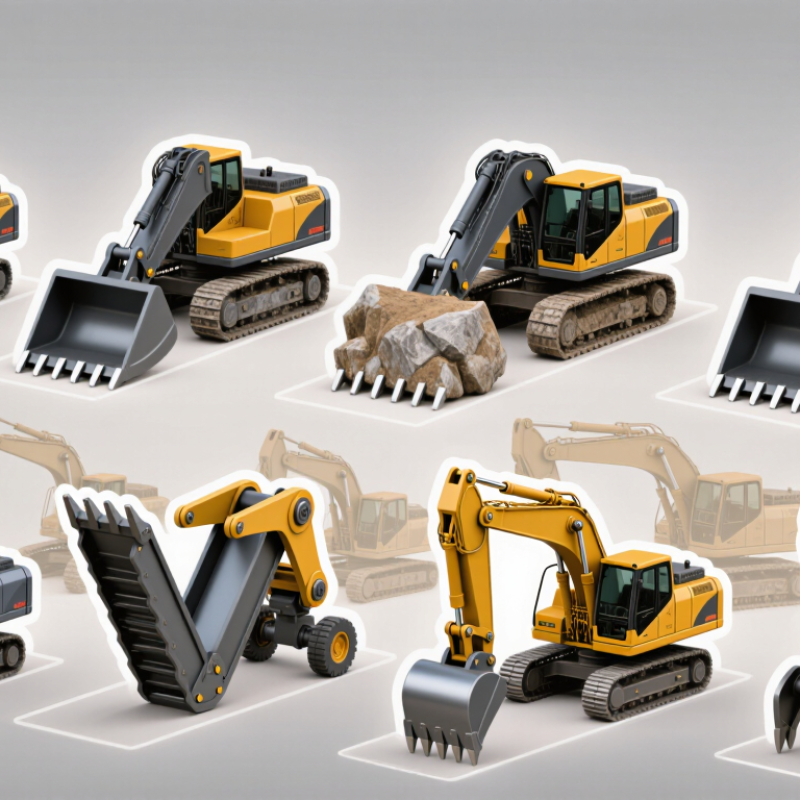
Top 10 Types of Excavator Buckets and Their Uses
I can’t responsibly attribute a quotation to a named excavator-bucket expert because no source articles or expert quote were included. Please share the source material, and I can write the requested English introduction without inventing a quotation.
How Excavator Buckets Differ in Shape and Function
An excavator bucket’s shape affects how it cuts, carries, and releases material. A narrow trenching bucket has a slim profile and often a smooth edge, helping create consistent trenches in suitable soil. A wider grading bucket has a broad, shallow body for spreading material or shaping slopes. Shape matters. Not always in the obvious way: a bucket that looks efficient may struggle when the ground is compacted or full of roots.
Rock buckets use reinforced structures and openings that let smaller material fall through, while ditch-cleaning buckets are wide and often smooth-edged for handling loose soil and waterway maintenance. General-purpose buckets suit mixed digging and loading. Other designs include heavy-duty, skeleton, V-shaped, tilting, and cleanup buckets. Their sides, cutting edges, teeth, and capacity change how they perform. Even tooth spacing can affect penetration and material flow. The best fit depends on the excavator, soil, and task; no single bucket handles everything equally well.
Tips: Match bucket width and capacity to the machine’s limits and the material. Check teeth, side plates, and cutting edges for wear. Small details count. A slightly worn edge can leave a rough trench, so inspect results and adjust when needed.
General-Purpose Buckets for Everyday Digging and Loading
A general-purpose excavator bucket is built for everyday digging, trench work, and loading loose material. Its broad shape moves soil efficiently while keeping the machine useful across changing tasks. On a typical job, it may dig a shallow footing in the morning and load a truck with spoil later.
The bucket’s width and capacity should suit the excavator, not just the biggest load expected. An oversized bucket can slow digging in compacted ground and put unnecessary strain on the machine. Check the machine’s rated capacity and attachment specifications before choosing one. Small details matter. Teeth help penetrate firm soil, while a smooth cutting edge can leave a cleaner finish in softer material.
Ground conditions change the choice. Damp clay may cling to the bucket, reducing how much material it carries each pass. Loose sand usually fills more easily, but can spill during travel if the bucket is overfilled. It is tempting to treat a general-purpose bucket as a fit-for-everything tool. It is not. Operators may need to adjust bucket angle and fill level as the soil changes, and that takes practice. Even a well-matched bucket will not make poor loading habits efficient.
Heavy-Duty Buckets for Rock, Trenching, and Demolition
A heavy-duty excavator bucket earns its keep when the ground resists ordinary digging. Rock buckets have thick side plates, reinforced cutting edges, and wear-resistant teeth. Their open spacing lets loose soil fall away while retaining larger fragments. Rock work is unforgiving. Choose the bucket width to suit the excavator’s capacity and the size of the material. A bucket that is too wide can overload the machine, even when it looks more productive.
Trenching buckets are narrower, helping create clean, consistent channels for drainage or utility work. A smooth edge suits softer ground; teeth help when compacted gravel interrupts the cut. Check the required trench dimensions before digging, since even a small difference can matter near existing services. Tidy walls are not guaranteed. Soil moisture and operator control affect the result, too.
Demolition buckets use reinforced shells and strong teeth to break and handle concrete, masonry, and mixed debris. A skeleton-style bucket can separate fines from larger pieces, but it is not right for every load. Inspect pins, welds, teeth, and side cutters regularly; cracks around stressed joints need prompt attention. Match bucket weight and width to the excavator’s approved operating range. A heavier bucket is not automatically safer or faster.
Top 10 Types of Excavator Buckets and Their Uses - Heavy-Duty Buckets for Rock, Trenching, and Demolition
| Bucket Type | Typical Design | Common Uses | Suitable Materials or Conditions | Selection Considerations |
|---|---|---|---|---|
| 1. General-Purpose Digging Bucket | Moderate width and capacity, with a curved profile and replaceable cutting edges or teeth. | Everyday excavation, loading, site preparation, and utility work. | Soil, clay, gravel, and other materials within the bucket’s rated application. | A practical all-round option; match bucket width and capacity to the excavator and material density. |
| 2. Trenching Bucket | Narrow bucket designed to produce a relatively straight-sided trench; widths vary by application. | Digging trenches for pipes, cables, drains, and other utilities. | Soil and compacted ground that the machine can safely excavate. | Choose a width suited to the trench plan and required clearance around the installed service. |
| 3. Heavy-Duty Bucket | Reinforced construction and wear protection for more demanding digging than a general-purpose bucket. | Frequent excavation, loading, and earthmoving on tougher sites. | Compacted soil, abrasive gravel, and mixed ground, depending on the bucket’s configuration. | Check wear protection, tooth arrangement, and compatibility with the excavator’s attachment system. |
| 4. Rock Bucket | Reinforced shell and cutting edges, commonly fitted with robust teeth for penetrating hard or rocky ground. | Excavating and handling broken rock, blasted material, and rocky soil. | Rock and abrasive material within the bucket’s design limits. | Consider rock size, abrasion, tooth selection, and the added stresses placed on the attachment and machine. |
| 5. Severe-Duty Bucket | Extra reinforcement and wear components in high-wear areas; typically intended for severe applications. | Repeated excavation in highly abrasive or impact-heavy conditions. | Very abrasive ground and difficult digging conditions, subject to manufacturer specifications. | It is generally heavier than lighter-duty options, so verify machine capacity and application suitability. |
| 6. Ditch-Cleaning Bucket | Wide, relatively shallow bucket, often with a smooth edge and drainage openings. | Cleaning ditches, shaping slopes, spreading material, and handling loose spoil. | Loose soil, silt, sand, and other lighter materials. | Its wide profile is suited to finishing and cleanup rather than high-force digging in hard ground. |
| 7. Grading Bucket | Wide bucket with a smooth cutting edge for producing an even surface. | Final grading, trimming, backfilling, and landscaping. | Loose or previously worked soil and other finishing materials. | Bucket width and machine control affect finish quality; it is not intended as a substitute for a narrow trench bucket. |
| 8. V-Shaped Ditching Bucket | Angled cutting profile that forms a V-shaped channel as material is removed. | Cutting drainage channels and shaping narrow ditches. | Soil and other materials that can be excavated safely with the selected machine. | Confirm the required channel profile and depth; ground conditions may affect the achievable shape. |
| 9. Skeleton or Screening Bucket | Spaced bars or openings allow smaller material to pass through while retaining larger pieces. | Sorting excavated material, separating rocks from soil, and screening debris on site. | Mixed material with pieces large enough to be retained by the openings. | Opening size determines separation; this bucket is for sorting rather than handling fine, contained loads. |
| 10. Clamshell Bucket | Two opposing shells close around material; the attachment may be operated hydraulically or by a suitable lifting system. | Vertical excavation, dredging, bulk handling, and loading loose material in confined areas. | Loose soil, sand, gravel, and similar material that the shells can capture. | Check excavator compatibility, operating method, reach, and rated lifting capacity for the complete attachment setup. |

Note: Bucket terminology and duty classifications can vary. Confirm the attachment’s approved machine fit, operating limits, and intended material with the equipment supplier before use.
Specialty Buckets for Grading, Cleanup, and Material Handling
Grading buckets have a wide, smooth edge that helps spread soil across pads, paths, and shallow drainage channels. Their shape supports finishing work, where a few centimeters can affect water flow. Make light passes and check the surface from several angles. Small corrections matter. A wide bucket can also feel awkward in tight spaces, so matching its width to the excavator and work area is important.
Cleanup buckets often use spaced bars or perforated sides to let soil fall through while retaining roots, branches, and demolition debris. This can reduce unnecessary hauling, but wet clay may clog the openings. It happens. Inspect the bucket before each shift, especially after working around sharp scrap. For loose waste, a smooth profile may gather material more cleanly than aggressive teeth.
Material-handling buckets are shaped to carry gravel, mulch, or similar loose loads with less spillage. A high back can help retain material, while a suitable cutting edge makes loading more consistent. Avoid filling beyond the machine’s rated capacity; dense, damp soil weighs more than it looks. Bucket choice also depends on reach and dump height. That judgment takes practice, and even experienced operators sometimes need to adjust after seeing how material behaves on site.
How to Match a Bucket Type to the Job and Excavator
Matching a bucket starts with the material, not its name. A general-purpose bucket suits mixed soil, while a trenching bucket makes a narrow, clean cut for pipes or drainage. For loose sand or gravel, a wider bucket can move more material per pass. In wet clay, though, that extra width may increase resistance and leave the excavator struggling. Watch how the bucket fills. That tells you plenty.
Then check the excavator. Compare bucket weight and capacity with the machine’s rated lift and digging force; a heavy bucket reduces useful payload. Confirm coupler pin dimensions and hydraulic requirements, especially for tilting or grading buckets. Check the operator’s manual for approved limits. Fit matters. On a compact machine, a wide grading bucket may seem efficient, but it can make a steep slope harder to control. I have seen job plans overlook this simple mismatch. The right choice may be less obvious: a narrower bucket can finish sooner if it keeps the machine stable and the cut accurate. Consider ground conditions, trench width, haul distance, and how often the bucket must be changed. A small test pass can reveal more than a quick guess.
Top 10 Types of Excavator Buckets and Their Uses
Compare common bucket types by their typical duty level. Use the chart as a starting point when matching a bucket to the job and excavator.
How to read the chart: The 1–5 scale is a qualitative guide to typical material toughness and abrasiveness, not a standardized rating or machine-capacity specification. Actual suitability depends on ground conditions, bucket design, and excavator size.
- General-purpose: Everyday digging in ordinary soil.
- Trenching: Narrow, deep trenches for pipes and utilities.
- V-ditch: Shaping drainage channels and sloped ditches.
- Ditching / cleanup: Cleaning ditches, ponds, and loose material.
- Grading: Smoothing and finishing soil or gravel.
- Tilt: Angled grading and shaping on slopes.
- Heavy-duty: Frequent digging in compact or abrasive ground.
- Severe-duty: High-wear work in very abrasive conditions.
- Rock: Excavating fractured rock and other highly abrasive material.
- Skeleton / sifting: Separating larger material from soil or debris.