Top Electric Mill Roll Stand Manufacturers and Suppliers
Choosing reliable Electric Mill Roll Stand manufacturers and suppliers requires more than comparing prices or catalog photographs. In rolling mills, the stand supports heavy coils, controls strip movement, and influences production stability. A weak selection can create alignment problems, unexpected downtime, or difficult maintenance. This guide examines suppliers through practical engineering criteria and operating experience.
A dependable manufacturer should explain frame construction, roll capacity, drive configuration, safety systems, and control compatibility. Technical drawings matter. So do service records. Experienced suppliers can describe installation procedures, bearing replacement, lubrication points, and emergency response. Their recommendations should match the mill’s strip width, material grade, line speed, and working environment. Generic promises are not enough.
Look closely at manufacturing quality. Weld inspections, machining accuracy, surface treatment, and component traceability reveal more than polished marketing language. Ask for references from comparable mills, not unrelated industries. Request realistic delivery schedules and clear warranty terms. After-sales support often determines the equipment’s true value.
No shortlist is perfect. Supplier data may be incomplete. Some performance claims also require independent verification. Buyers should compare measured results, not only stated specifications. A site visit can reveal housekeeping standards, assembly discipline, and how technicians solve ordinary problems. Small details matter, such as cable protection near moving rolls or access around maintenance doors.
The manufacturers and suppliers discussed here are assessed for technical capability, communication, customization, and long-term reliability. The aim is practical guidance, not an automatic ranking. Every mill has different priorities, and the lowest quotation may become expensive later. Careful evaluation remains essential.
What Is an Electric Mill Roll Stand?
What Is an Electric Mill Roll Stand?
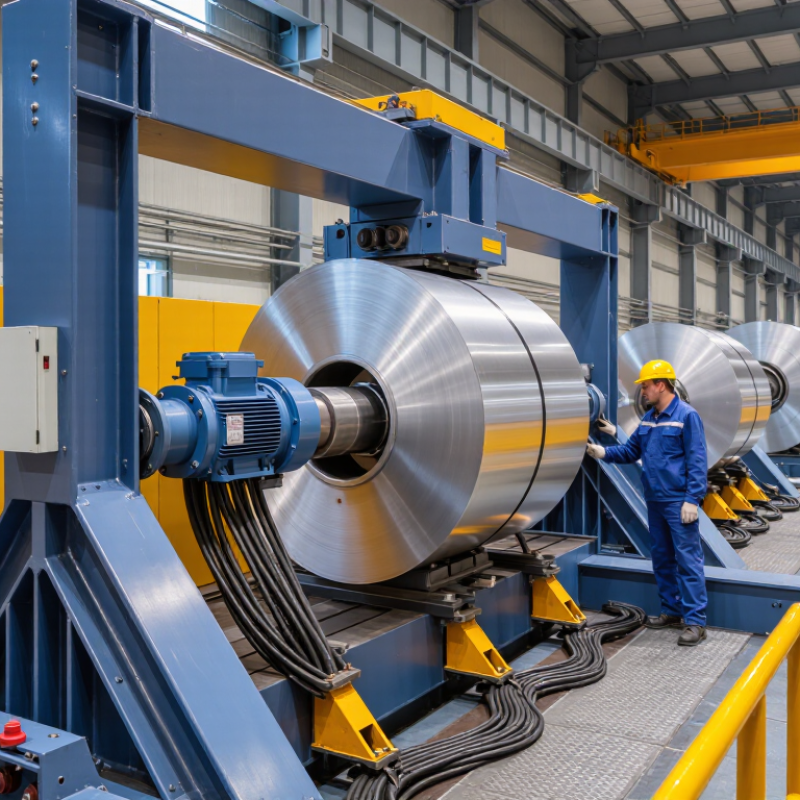
An electric mill roll stand is a powered machine that holds and rotates rolls during metal forming. Its electric motor controls roll speed, torque, and position. These rolls compress steel strip as it passes through the stand. Operators can adjust the roll gap within fractions of a millimeter. That control helps maintain stable thickness and surface quality.
A typical stand includes a frame, work rolls, backup rolls, gear units, sensors, and a drive system. Sensors measure tension, speed, load, and strip position. The control system then changes motor output almost instantly. This response matters when rolling thin sheet at high speed. The World Steel Association reported 1.89 billion tonnes of crude steel production in 2023. Such production volumes increase demand for reliable and repeatable rolling equipment.
Energy use deserves close attention. The U.S. Department of Energy has estimated that motor-driven systems account for about 68% of industrial electricity consumption. Efficient drives can reduce wasted power during acceleration and idle periods. However, efficiency claims need site testing. Real performance depends on roll condition, lubrication, cooling, and operator settings. A poorly aligned stand can still consume more energy. That is an easy detail to overlook. Buyers should examine load data, maintenance records, control accuracy, and spare-part support before selecting a supplier.
How Electric Mill Roll Stands Operate
Top Electric Mill Roll Stand Manufacturers and Suppliers
How Electric Mill Roll Stands Operate
An electric mill roll stand positions and drives work rolls during metal processing. Its main motor transfers torque through a gearbox, spindle, and coupling. The rolls then compress the strip while controlling thickness and surface contact. A separate electric screwdown system adjusts the roll gap with measured precision. In many modern mills, encoders report roll position continuously. Load cells also detect rolling force. These signals reach a programmable control system, which changes speed, gap, and tension within milliseconds.
During operation, the operator threads the strip between the rolls at low speed. Guide equipment keeps the material centered. Once stable, the drive accelerates gradually, preventing sudden tension changes. A supplier with strong engineering experience should explain motor capacity, maximum roll force, screw accuracy, cooling, and emergency stopping functions. Practical testing matters more than a polished specification sheet. Check vibration, bearing temperature, gearbox noise, and gap repeatability under realistic loads.
The process is not perfectly smooth. A small alignment error can create uneven thickness or edge damage. Thermal expansion may also alter the roll gap after long production runs. Technicians therefore inspect couplings, lubricate bearings, and compare sensor readings with physical measurements. Sometimes, the control screen looks normal while a worn spindle causes poor results. That is why reliable service records, operator training, and accessible replacement parts deserve attention when evaluating electric mill roll stand manufacturers and suppliers.
Key Features of High-Quality Roll Stand Systems
High-quality electric mill roll stands begin with stiffness, alignment, and controlled movement. During production, the frame must resist rolling forces without transferring vibration into the strip. Precision-machined housings, low-clearance bearings, and protected lubrication paths support stable operation. Quick roll changes also matter, especially when mills handle several strip widths each shift. Small details matter.
The World Steel Association reported approximately 1.89 billion tonnes of crude steel production in 2023. This scale makes uptime and repeatable settings commercially important. A reliable roll stand should include servo-driven adjustment, position feedback, and overload protection. These features help operators maintain consistent roll gaps and respond quickly to thickness variation. The IEA’s Iron and Steel Technology Roadmap identifies energy efficiency and process control as major decarbonization opportunities. Efficient motors can reduce idle consumption, but poor alignment may still waste power through friction and rework.
In field inspections, I would examine vibration at operating speed, not only review catalog specifications. A rigid stand can still perform poorly when installation tolerances are overlooked. Remote diagnostics, accessible bearings, and clear maintenance records improve reliability over time. Safety guarding should allow inspection without exposing workers to moving components. A perfect specification rarely exists. Load capacity, speed, strip width, and local service skills must be evaluated together. Published figures are useful, but a controlled site trial often reveals the uncomfortable gaps.
Types of Electric Mill Roll Stand Manufacturers and Suppliers
Electric mill roll stand manufacturers and suppliers usually fall into several practical categories. Original equipment manufacturers design complete stands for new rolling lines, including motors, gearboxes, frames, and control systems. Their engineers can match torque, roll diameter, strip width, and production speed. Some manufacturers specialize in custom designs for heavy plate, wire rod, or narrow strip applications.
Standard-equipment producers offer configurable models with shorter lead times and simpler maintenance. Engineering suppliers provide deeper integration, such as automation, load monitoring, hydraulic adjustment, and safety interlocks. Regional distributors may not build the stand, but they can support installation, spare parts, and local service. Refurbishment suppliers also deserve attention. They restore used stands, replace worn bearings, and test drive systems before delivery. Results can vary.
Tips: Ask for load calculations, motor duty data, inspection records, and installation references. Confirm whether technical support covers commissioning and operator training. A clear warranty matters. So does response time.
Choosing among these supplier types requires more than comparing purchase prices. Visit a working installation when possible, and inspect roll alignment, vibration levels, cable routing, and guarding. Request drawings before approval. Check how the supplier manages tolerance changes during fabrication. Experienced suppliers should explain likely failure points without hiding uncertainty. No supplier is perfect. A reliable partner documents limitations, recommends realistic maintenance intervals, and provides replacement parts with traceable specifications.
Electric Mill Roll Stand Types by Nominal Roll Count
Electric mill roll stands are commonly classified by the number of rolls used in the stand. The roll count influences support, strip control, reduction capability, and mill configuration.
Note: Roll count is a standard configuration descriptor. Actual equipment designs may include additional guide, backup, work, and intermediate rolls depending on the mill application.
How to Evaluate and Select the Right Supplier
Top Electric Mill Roll Stand Manufacturers and Suppliers
How to Evaluate and Select the Right Supplier
Selecting an electric mill roll stand supplier requires more than comparing catalog prices. Start with your mill’s strip width, coil weight, line speed, roll diameter, and required tension range. A reliable supplier should explain how each specification affects motor torque, braking response, and frame strength.
Ask for technical drawings, load calculations, wiring diagrams, and factory acceptance test records. These documents reveal whether the supplier follows a controlled engineering process. Request evidence of similar installations, but verify the details with actual users. A polished reference list is not enough. Visit a workshop if possible. Look for clean cable routing, protected control cabinets, accurate machining, and clear inspection records.
Maintenance support matters as much as initial performance. Check spare-parts availability, remote troubleshooting, training, and response times. Ask who will commission the equipment and how faults will be documented.
I have learned this the hard way: a low purchase price can become expensive when a drive fails during production.
Evaluate the complete cost, including energy use, installation, tooling, software updates, and planned maintenance. Confirm the supplier’s quality controls and applicable safety documentation. Avoid vague promises about “high precision” or “long life.” Request measurable tolerances, test methods, and acceptance criteria. Some suppliers may not provide every document immediately, and that deserves careful reflection, not automatic rejection. Their response should still be specific, transparent, and technically consistent.