China Top Electric Vacuum Lifter Suppliers?
China has become a major sourcing base for Electric Vacuum Lifter equipment. Its suppliers serve glass, stone, metal, timber, and prefabricated construction industries. However, choosing a dependable manufacturer requires more than comparing prices. Factory capability, vacuum stability, battery performance, lifting capacity, and after-sales support deserve close attention.
Details matter.
A reliable supplier should provide test records, clear load charts, component information, and practical operating instructions. Buyers should inspect how each lifter performs on dusty, textured, wet, or slightly uneven surfaces. A machine that works perfectly on clean glass may behave differently on rough stone. This is where many product descriptions become too optimistic.
Ergonomics researcher Dr. David Rempel states, “Ergonomics means fitting the job to the worker.” That principle applies directly to Electric Vacuum Lifter selection. The control handle should support a natural working posture, while alarms should remain visible and audible in noisy facilities. Emergency release procedures must also be simple enough for stressed operators to remember.
This guide compares China’s leading suppliers through an evidence-based lens. It considers engineering experience, production consistency, customization, certifications, service response, and real workplace usability. Supplier rankings are never perfect. Some smaller factories may offer excellent products but present limited documentation. Larger companies may provide stronger support but charge more.
The goal is practical judgment, not promotional hype. Before placing an order, request demonstrations, inspect safety features, confirm spare-part availability, and verify the stated capacity under actual working conditions. A trustworthy supplier should welcome difficult questions.
What Is an Electric Vacuum Lifter?
What Is an Electric Vacuum Lifter?
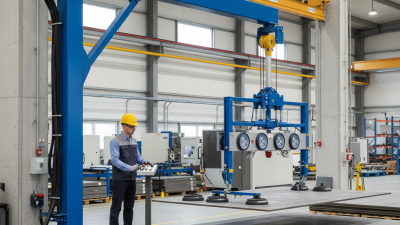
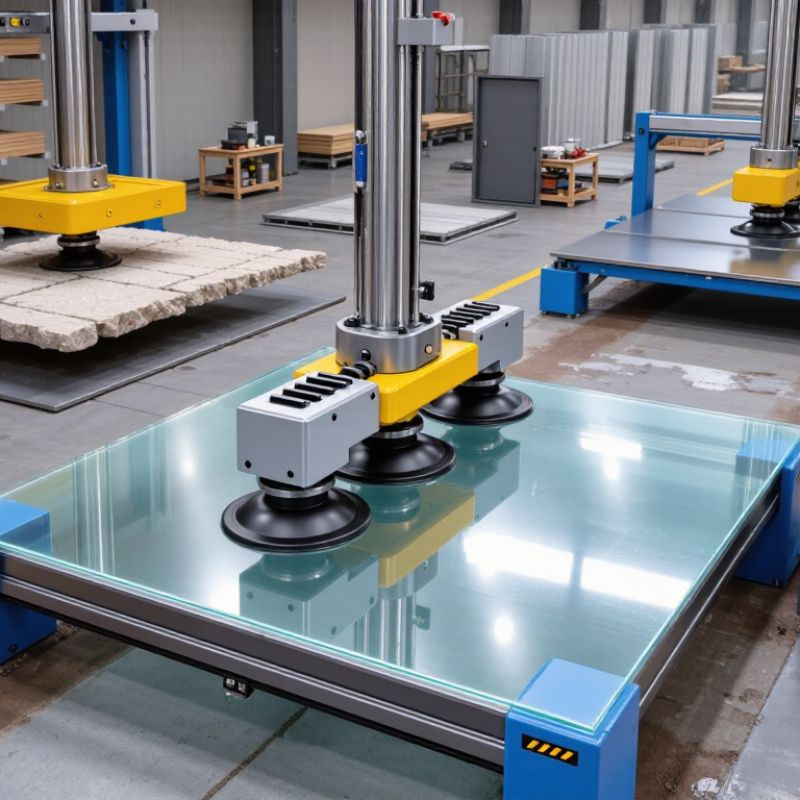
An electric vacuum lifter is a material-handling device that uses powered suction to grip smooth, nonporous surfaces. It can lift glass panels, stone slabs, metal sheets, and large tiles. A vacuum pump removes air between the pad and the load. Atmospheric pressure then creates the holding force. Battery power makes operation easier on busy sites. Many units include pressure gauges, alarms, release controls, and backup systems.
The correct model depends on load weight, surface texture, pad size, and lifting direction. A trained operator should inspect the seal before every lift. Dust, moisture, scratches, or uneven edges can reduce suction quickly. In practical use, a lifter may feel powerful but still perform poorly on porous materials. That point is often underestimated. Check the rated capacity in the actual working position, not only the advertised maximum. Follow the equipment manual and local workplace rules.
Tips: Clean both the pad and the load surface. Test the vacuum before raising the material. Keep hands away from pinch points. Recharge batteries before long shifts. Stop immediately if the alarm sounds. A second person can help guide large panels, although coordination is sometimes imperfect. That is normal, but rushed communication creates avoidable risk.
How Electric Vacuum Lifters Work
China Top Electric Vacuum Lifter Suppliers?
How Electric Vacuum Lifters Work
An electric vacuum lifter uses a pump to remove air between its rubber seal and the load. This creates lower pressure inside the sealed area. Normal air pressure then pushes the lifter against the surface. The holding force depends on vacuum level, seal size, and surface quality.
The system usually includes a rechargeable battery, vacuum pump, pressure gauge, and warning alarm. When the pressure drops, the alarm alerts the operator before lifting continues. Smooth glass, steel, stone, and coated panels usually provide reliable contact. Porous wood, dusty concrete, or deeply textured surfaces may leak air. That is where specifications can become less useful. Real conditions matter more.
Tips: Clean both contact surfaces before operation. Check the seal for cuts or hardening. Test the vacuum while the load remains on the ground. Watch the gauge during movement, especially when turning or passing uneven floors. Use a safety factor below the rated capacity. Never treat the maximum rating as a daily target. Battery condition also matters; a weak battery can reduce pump performance. Some failures are simple, such as a loose hose or misplaced seal. A careful pre-use check prevents many avoidable problems.
Key Types and Applications in China
China’s electric vacuum lifter market supports glass, metal, stone, and panel handling. The main types include battery-powered lifters, wired units, and hydraulic-assisted systems. Battery models suit outdoor construction and changing warehouse positions. Wired models work well beside fixed cutting or assembly lines. Multi-cup designs distribute weight across wide sheets. Compact units help with narrow access areas. Choosing the wrong cup size can reduce grip stability.
In Chinese glass workshops, operators use vacuum lifters to move doors, windows, and large panels. Steel processors often handle painted sheets with oil-resistant sealing rings. Stone fabricators need stronger frames and carefully balanced suction points. Warehouse teams use powered lifters for repetitive loading, especially when surfaces remain clean and flat. Construction crews may choose models with tilting or rotating functions. Uneven stone can still challenge any lifter.
Reliable suppliers should provide load charts, vacuum alarm details, and battery performance data. Buyers should check rated capacity at the actual lifting angle. They should also test emergency holding time before regular operation. Clear training materials and accessible replacement seals improve daily reliability. Safety inspections must include hoses, cups, valves, and charging systems. Some evaluations still focus too heavily on advertised capacity. A practical trial is more convincing than a polished specification sheet. No model fits every workshop.
How to Evaluate Chinese Vacuum Lifter Suppliers
China Top Electric Vacuum Lifter Suppliers?
How to Evaluate Chinese Vacuum Lifter Suppliers
Choosing a Chinese electric vacuum lifter supplier requires more than comparing online prices.
Start with the lifting task, not the catalog photograph. Ask for rated capacity, pad size, surface limits, battery endurance, and safety factors. Request technical drawings and a written duty cycle. Details matter. An experienced supplier should explain how the lifter performs on dusty, porous, curved, or slightly oily materials. Vague answers deserve careful attention.
Review the supplier’s engineering evidence.
Check load testing records, vacuum alarm settings, emergency release behavior, and battery protection features. Ask whether each unit receives a final inspection before shipment. Photos of a factory are useful, but they prove little alone. A video showing a real load test is stronger evidence. You should also examine material certificates, user manuals, maintenance instructions, and relevant conformity documents. Independent inspection can reduce uncertainty before payment.
Communication reveals practical reliability.
Send the supplier your actual panel dimensions and working conditions. A capable technical team should identify risks instead of promising everything. Discuss spare seals, charging equipment, replacement batteries, training, and response times. Sample testing is wise, although it adds cost and delays. I have seen polished demonstrations hide awkward controls and weak documentation. That possibility should influence your evaluation. One more question remains important: will the supplier support the machine after installation, when the first real problem appears?
Leading Supplier Selection Criteria and Buying Steps
Selecting a reliable electric vacuum lifter supplier in China requires more than comparing online prices. Start with the lifting capacity, load shape, surface material, battery duration, and safety factor. A supplier should explain how the equipment performs on glass, steel, stone, or textured panels.
Ask for technical drawings, test records, and clear operating instructions. Check whether each unit receives a documented vacuum-holding test before shipment. Request details about pump performance, alarm response, emergency release protection, and replacement parts. Test the equipment with a sample load when possible. Small differences become obvious on a warehouse floor.
Factory experience matters. Review production photos, quality-control procedures, and recent customer references from similar industries. A capable engineer should answer practical questions without hiding behind sales language. Verify that the proposed equipment meets the safety and electrical requirements of your destination market. Keep written records of specifications, inspection results, packaging, warranty coverage, and response times.
Do not rush.
A low quotation may exclude batteries, chargers, spare seals, training, or shipping protection. I have seen purchasing teams compare prices before comparing service conditions, which created avoidable delays. A pilot order is safer than a large first shipment. Inspect the sample, record lifting cycles, and ask workers whether the controls feel natural. Even a well-designed lifter may need adjustment for cold warehouses, dusty surfaces, or frequent outdoor use. The buying decision should reflect real working conditions, not only a polished specification sheet.
China Top Electric Vacuum Lifter Suppliers: Selection Criteria and Buying Steps
Representative rated lifting capacities commonly specified for electric vacuum lifters vary by application, attachment design, and safety requirements. When selecting a supplier, compare rated capacity, vacuum-system redundancy, battery endurance, control functions, certifications, spare-parts support, and delivery capability. Before buying, confirm the load surface, working environment, required safety factor, warranty terms, testing documents, and after-sales service.