China Top Rapid Injection Molding Manufacturers?
Choosing among China’s top Rapid Injection Molding manufacturers requires more than comparing website claims. A reliable supplier should demonstrate practical experience, stable production systems, and clear quality evidence. This introduction examines manufacturers that support prototypes, bridge production, and repeatable commercial parts.
Real evaluation begins with the details. Can the factory explain resin selection, wall thickness, draft angles, and expected cycle times? Do engineers review a STEP file before quoting? During a mold trial, experienced teams inspect flash, sink marks, weld lines, and dimensional variation. These small observations often reveal more than polished brochures.
Factory visits, sample approvals, and third-party reports can strengthen supplier verification. Look for ISO 9001 systems, documented inspection methods, traceable material records, and honest communication about tooling limits. A capable manufacturer should also explain mold steel, cooling layouts, maintenance plans, and ownership terms in plain English. That matters.
However, no supplier is perfect. A fast quotation may hide limited engineering support or weak after-sales service. A low unit price may exclude secondary finishing, packaging, or realistic testing costs. These risks deserve attention before any purchase decision. Some manufacturers excel at automotive components, while others perform better with medical housings, consumer products, or complex small parts.
This guide presents a practical way to compare China-based suppliers. It considers technical capability, production capacity, communication, quality control, pricing transparency, and delivery reliability. The ranking should not replace direct audits or sample testing. Treat it as a starting point, not final proof. Credibility must be earned through evidence.
What Is Rapid Injection Molding?
What Is Rapid Injection Molding?
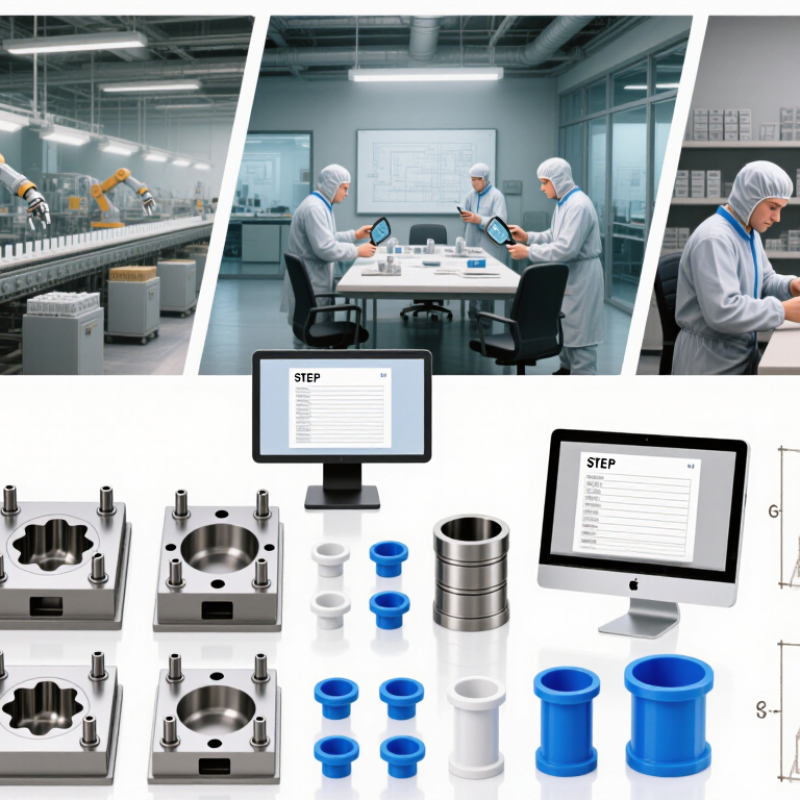
Rapid injection molding is a faster method for producing plastic parts with production-style equipment. Engineers create a mold from aluminum or soft steel, then inject heated polymer under controlled pressure. Compared with traditional tooling, this approach can shorten development from several weeks to a few days. It suits functional prototypes, pilot runs, and limited production quantities.
The process begins with a 3D design review. Wall thickness, draft angles, ribs, and gate locations affect filling quality. A practical mold should also manage cooling evenly. Uneven cooling may cause warping around holes or thin corners. In my experience, clear material requirements and realistic tolerances prevent expensive revisions. Rapid molding is not always the cheapest option. A rushed design review can create defects that tooling speed cannot fix. That is worth remembering.
Tips: Use consistent wall thickness whenever possible. Avoid sharp internal corners. Confirm resin shrinkage before machining the mold. Ask for sample parts and inspect flash, sink marks, color, and dimensions. Keep a small tolerance range for noncritical features. Perfect dimensions everywhere may increase cost without improving performance. A short production trial often reveals problems hidden in computer models. Also, document mold changes carefully, because small adjustments can influence later batches.
Top China Rapid Injection Molding Manufacturers
China’s top rapid injection molding manufacturers combine fast tooling with disciplined engineering. They support prototype parts, bridge production, and short-run manufacturing for demanding industries. In practice, strong suppliers review wall thickness, draft angles, ribs, and ejection points before quoting. This early feedback can prevent costly mold changes.
Look for manufacturers with documented design-for-manufacturing procedures and traceable material records. Experienced teams should explain mold steel selection, expected tool life, cooling design, and dimensional limits. Ask for trial-shot reports, inspection data, and clear approval stages. A reliable factory can provide T1 samples, measurement results, and controlled revisions. Small details matter, such as flash near parting lines or uneven gloss on textured surfaces.
Fast does not mean careless. Good communication matters. Engineers should answer technical questions directly and report delays early. Factory visits, video inspections, and sample comparisons can strengthen confidence. Certifications may support credibility, but they do not replace production evidence. A polished website proves little. Even experienced buyers can misjudge a supplier after one successful sample. Confirm capacity, quality controls, packaging methods, and after-sales responsibility before placing repeat orders. Some manufacturers remain highly capable but lack flexibility for unusual materials or frequent design changes. That limitation deserves an honest discussion.
How to Compare Chinese Injection Molding Suppliers
Comparing Chinese rapid injection molding suppliers requires more than checking unit prices. Request a clear quotation with tooling cost, material grade, cavity count, tolerances, and expected cycle time. A reliable supplier explains assumptions instead of hiding them. Ask for recent samples made with similar resins and wall thicknesses. Inspect gate marks, weld lines, sink marks, and parting-line alignment. Small defects often reveal weak process control.
Review production evidence, not only polished website claims. Check quality certifications, inspection records, material traceability, and corrective-action reports. Confirm whether the factory owns its molding machines or outsources key operations. Ask how it controls mold temperature, injection pressure, and dimensional variation. For urgent projects, verify actual capacity and maintenance schedules. A fast promise means little without a realistic production plan. Compare communication speed too. Clear engineering replies can prevent expensive tooling changes. However, remote reviews remain imperfect. A video tour cannot replace an independent audit or an approved sample.
Tips: Use the same drawing, resin specification, annual volume, and delivery target for every quote. Ask suppliers to mark exclusions and possible risks. Compare total cost, not just the lowest price. Request a small pilot run before full production. Measure parts with calibrated equipment and record results. If a supplier avoids technical questions, pause the decision. A cheaper mold may later require repeated adjustments, and that delay can outweigh the initial savings.
Typical planning ranges for rapid injection molding in China are shown in business days. Actual timing depends on part complexity, material availability, tooling requirements, surface finish, and order quantity. When comparing suppliers, review both the shortest and longest quoted timelines rather than lead time alone.
Materials, Quality Standards, and Production Capabilities
China Top Rapid Injection Molding Manufacturers?
Strong rapid injection molding suppliers are judged by more than delivery speed. Their material choices must match the part’s working environment. Common options include ABS for durable housings, polypropylene for lightweight components, and polycarbonate for impact resistance. Nylon and glass-filled grades support higher heat and mechanical loads, but they may increase warpage or tool wear.
Quality begins before the first shot. Experienced teams review wall thickness, draft angles, ribs, weld lines, and shrinkage during DFM analysis. ISO 9001 systems can support controlled processes, while sector-specific projects may require additional documentation. Material certificates, lot tracking, dimensional reports, and color records should be available. CMM inspection and calibrated gauges provide stronger evidence than visual checks alone. Appearance matters too.
Production capability should cover prototype tooling, bridge quantities, and repeat orders. A capable facility can manage mold flow concerns, controlled injection parameters, and stable cycle times across multiple machines. Ask about steel selection, mold maintenance, spare components, and realistic tolerances. These details often reveal more than a polished sample.
No supplier is flawless. Even a well-run project can show sink marks, flash, or inconsistent texture during early trials. The important question is how quickly the team identifies the cause and records the correction. Clear communication, practical engineering judgment, and honest capacity planning usually matter more than impressive claims.