
Why Buy a Vintage Tourist Car for Your Business?
A Vintage Tourist Car can turn an ordinary sightseeing trip into a memorable part of the journey. Its polished bodywork, bench seating, and distinctive engine note give guests something to photograph and talk about. For a tour operator, that character may help a business stand apart from standard transport services. The vehicle itself becomes part of the experience.
But charm alone does not make a sound business purchase. Before buying, consider the routes you serve, passenger comfort, seasonal demand, and how often the car may need maintenance. Ask a qualified mechanic to inspect the vehicle, including its brakes, tires, steering, and service history. Keep realistic estimates for repairs, fuel, storage, and downtime. A beautiful car can spend more days in a workshop than on the road. That matters.
The right choice depends on your customers and operating model. A compact vintage car may suit short town tours, while a larger vehicle could work better for groups. Check that the design supports safe entry and exit, and assess whether it meets applicable local requirements for commercial passenger use. Confirm insurance and operating costs with relevant professionals before committing. Not every day will be profitable. Weather, accessibility needs, and changing visitor numbers can affect demand. A vintage vehicle may also require more hands-on care than a modern fleet car. That is worth considering honestly. This guide explores the practical benefits, likely challenges, and questions business owners should ask before purchasing, so the decision rests on evidence as well as appeal.
What Defines a Vintage Tourist Car for Business Use?
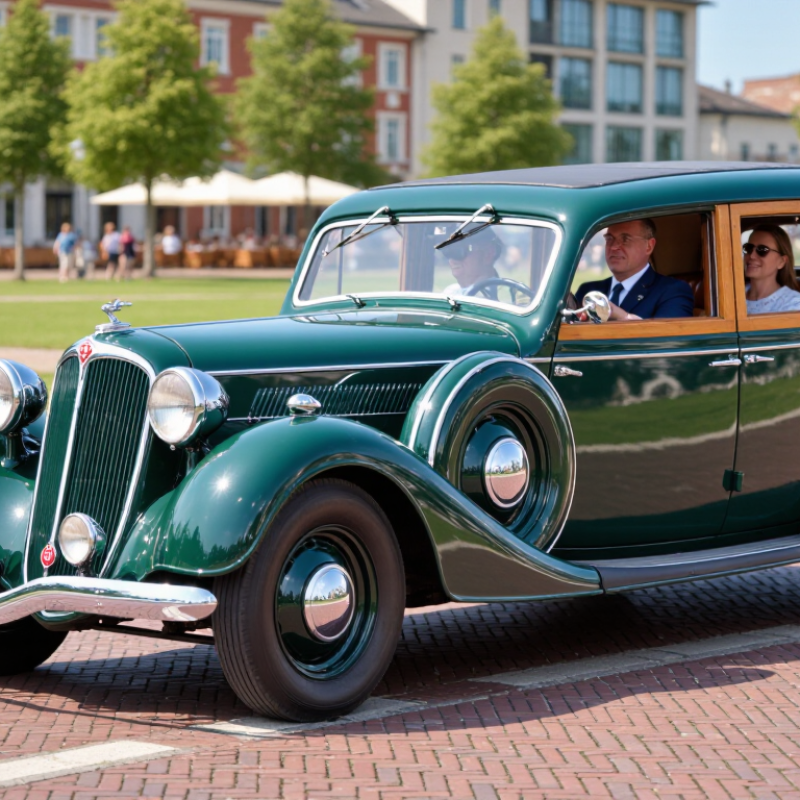
A vintage tourist car for business use is an older passenger vehicle chosen to make the journey part of the experience. It might carry visitors through a historic district, vineyard, or scenic route. Picture polished metal, cushioned seats, and a clear view from the back. Vintage has no single universal business definition; age thresholds vary by market and insurer. For operators, condition and suitability matter more than appearance alone. Reliable brakes, secure seating, weather protection, and accessible entry help make each trip comfortable. The car also needs careful maintenance. Charm cannot replace a service plan.
Demand for travel experiences provides useful context, but it does not guarantee bookings. UN Tourism reported 1.4 billion international tourist arrivals in 2024, about 99% of 2019 levels. SEMA’s 2024 market report valued the U.S. specialty-equipment market at $52.3 billion in 2023. That figure covers a broader automotive sector, not vintage tourist cars specifically. Treat it as context, not a sales forecast. A well-chosen vehicle may help a tour stand out, yet fuel use, repair costs, and seasonal demand can quickly change the numbers. It is not always elegant.
Tips: Match the car to your route before buying. Test entry, seating comfort, and braking on a realistic trip. Keep a maintenance log, and budget for repairs before the first booking.
Why Buy a Vintage Tourist Car for Your Business?
A vintage tourist car is a classic or historic vehicle used to deliver sightseeing, heritage, or other visitor experiences. Its character can help create a memorable ride, but age alone does not determine whether a vehicle qualifies as historic or is suitable for commercial use.
How to read this chart: The bars show the approximate ages in 2025 of example model-year cohorts; the line marks 40 years. In the UK, vehicles constructed more than 40 years before 1 January of the current year may qualify for historic vehicle tax status, subject to conditions. This is not a universal definition of “vintage” or a guarantee of eligibility—check local rules, vehicle history, and commercial insurance requirements.
How Can It Serve Customers and Support Daily Operations?
A vintage tourist car can turn a short ride into a more personal customer experience. Guests notice the polished metal, bench seating, and gentle engine sound before the tour begins. A driver can share neighborhood history while moving at a relaxed pace, with time for questions and photographs at planned stops. Small details matter.
For daily operations, assign the vehicle a clear role, such as scheduled sightseeing rides, hotel transfers on suitable routes, or private group bookings. Keep a daily inspection checklist for tires, lights, brakes, fluid levels, and seat belts. Older vehicles may need more frequent servicing, so record maintenance dates and keep a backup transport plan. That takes planning.
The car is not ideal for every job. Narrow doors, limited luggage space, and changing weather can make some trips uncomfortable or impractical. Check the route, passenger needs, and forecast before confirming a booking. Staff should know how to explain the vehicle’s limits politely, rather than promising a smooth fit for every customer. A few trial runs can reveal awkward turns, noisy streets, or stops where boarding takes longer than expected. Those details are easy to miss on paper.
| Business Dimension | Practical Planning Figure | Customer Service Benefit | Daily Operations Consideration |
|---|---|---|---|
| Passenger capacity | Typically 2–4 passengers, depending on the vehicle’s approved seating configuration. | Creates an intimate sightseeing experience for couples, families, or small groups. | Confirm the legal seating capacity and seat-belt requirements; do not exceed the vehicle’s approved limit. |
| Tour duration | Offer short routes of about 20–45 minutes, adjusted for traffic, stops, and local rules. | Provides a manageable option for visitors with limited time or mobility-related fatigue. | Build time into the schedule for boarding, route changes, and returning to the pickup point. |
| Daily departure planning | As a starting estimate, schedule 4–8 short departures during an 8-hour service day. | Predictable departure times make it easier for guests to plan around other activities. | Actual capacity depends on route length, traffic, cleaning, breaks, weather, and vehicle condition. |
| Guest experience | Plan for a driver-guide, a clearly described route, and a few safe photo stops. | Combines transport with local storytelling and opportunities to take photographs. | Use accurate, locally verified commentary and choose stopping places where parking is permitted. |
| Luggage and personal items | Allow only the small bags that can be securely stored without obstructing passengers or controls. | Works well for sightseeing, but may not suit guests carrying large suitcases. | State luggage limits when customers book and keep exits, footwells, and the driver’s view clear. |
| Accessibility and comfort | Assess step height, door access, seating, and space for mobility aids for each vehicle. | Clear information helps guests decide whether the ride meets their access needs. | Do not claim wheelchair accessibility unless the vehicle and boarding arrangements have been assessed accordingly. |
| Pre-service checks | Allow roughly 10–15 minutes for a basic walk-around and cabin check before service. | A clean, prepared vehicle supports a reassuring start to the trip. | Check tyres, lights, visible fluid leaks, brakes, mirrors, seat belts, fuel, and required safety equipment. |
| Fuel and running costs | Measure fuel use for the specific vehicle; older vehicles can vary substantially by engine, route, and condition. | Reliable service planning reduces the chance of interruptions during a booked ride. | Track fuel, maintenance, insurance, inspections, storage, and downtime using local quotes and actual records. |
| Weather and seasonal operation | Set a clear operating policy for heavy rain, extreme heat, poor visibility, and severe weather. | Advance communication helps guests understand comfort and cancellation arrangements. | Open or lightly enclosed vehicles may offer limited weather protection; follow road-safety guidance and local regulations. |
| Maintenance and availability | Keep a maintenance log and schedule inspections according to vehicle condition and applicable regulations. | Fewer unexpected cancellations help protect the guest experience. | Older vehicles may need more frequent attention; keep a backup plan for breakdowns and parts delays. |
How Does a Vintage Car Strengthen a Business’s Brand?
A vintage tourist car can make a business’s identity visible before anyone reads its sign. Its rounded fenders, polished trim, and soft engine note create a sensory detail people may remember. For a hotel, tour operator, or event venue, the car can turn a routine arrival into a small, shareable experience. That matters. PwC’s 2018 Future of Customer Experience survey found that 73% of consumers considered experience an important purchasing factor.
The car can also give staff a natural way to tell the business’s story. A driver might explain its restoration, route, or connection to local streets while welcoming guests. Nielsen’s 2015 Global Trust in Advertising report found that 83% of respondents trusted recommendations from friends and family. Memorable experiences can encourage those conversations, though a car cannot guarantee them. Some guests may simply prefer a quiet ride.
The details need to feel genuine. Keep the vehicle clean, maintain it carefully, and train drivers to describe its history accurately. A worn seat or unreliable schedule can weaken the impression quickly. And vintage style is not for every audience. It may feel charming to some visitors and inconvenient to others, especially when accessibility or weather becomes a concern. A thoughtful business should treat the car as one part of its service, not the whole brand.
What Costs and Practical Requirements Should Owners Consider?
A vintage tourist car can attract attention, but its purchase price is only the beginning. Budget for a pre-purchase inspection by a mechanic familiar with older vehicles. Ask for a written assessment of the engine, brakes, tires, wiring, and frame. Parts may take weeks to find, and specialist labor can cost more than routine servicing. That adds up. Set aside money for unexpected repairs, not just scheduled maintenance.
Operating costs also include secure storage, suitable insurance, fuel, cleaning, and staff training. A car that sits outdoors may need more frequent paint and interior care. Plan for downtime. If the vehicle is unavailable, have another way to serve booked customers. Check that its seating, entry, and ride comfort fit your intended passengers and route; a steep step can be a real barrier. Keep a daily inspection log, and confirm local operating requirements before taking bookings. I would not assume a charming appearance means reliable service. Even a careful budget can miss something, so review costs after the first few months.
How Can Businesses Choose the Right Vintage Tourist Car?
A vintage tourist car should fit the experience you sell, not just look striking in photographs. UN Tourism’s January 2025 World Tourism Barometer estimated 1.4 billion international tourist arrivals in 2024, reaching 99% of 2019 levels. WTTC’s 2024 Economic Impact Research valued travel and tourism at 9.1% of global GDP in 2023. These figures suggest a large market, but they do not prove demand for vintage rides in your town. Check local visitor patterns first. Are guests booking short city tours, private events, or scenic drives? Each needs a different vehicle and schedule.
Match capacity to your route and customers. A car with tight rear seats may disappoint guests on a long ride. Test entry and exit, luggage space, visibility, and comfort on the actual streets. Listen for rattles. They matter. Ask an independent mechanic to inspect the engine, brakes, tires, cooling system, and parts availability. Request maintenance records, then price routine servicing and likely downtime. A beautiful car that sits idle is costly.
Consider weather, storage, cleaning time, and trained drivers before committing. Compare purchase and upkeep costs with realistic bookings, not peak-season hopes. If your route includes rough pavement or frequent stops, an older vehicle may need more attention than your plan allows. I would leave room for surprises; even a careful inspection cannot predict every repair.
Source data: UN Tourism, World Tourism Barometer, January 2025; WTTC, Economic Impact Research, 2024.