What Are the Top Material Handling Products?
Material Handling Products help move, store, lift, and protect goods across warehouses, factories, and distribution centers. The right equipment can reduce unnecessary carrying and keep materials flowing between work areas. But “top” depends on the job. A pallet jack that suits a compact stockroom may not meet the needs of a busy loading dock.
This guide looks at common options, including forklifts, pallet jacks, conveyors, hoists, carts, and storage systems. It also explains what to compare: rated capacity, load dimensions, travel distance, aisle width, surface conditions, and expected workload. Small details matter. A cart’s wheel size, for example, can affect how smoothly it crosses a floor joint. A conveyor’s speed matters only if it fits the rest of the workflow.
Product specifications offer a useful starting point, but they cannot show every daily challenge. A tidy comparison chart may miss the awkward corner where a cart barely turns. That is worth considering. Buyers should check manufacturer guidance and assess equipment in the space where it will be used. No single product is best for every operation, and needs can change as order volumes or layouts shift. The sections ahead provide a practical way to compare options without treating a popular product as an automatic fit.
What Material Handling Products Are and How They Are Classified
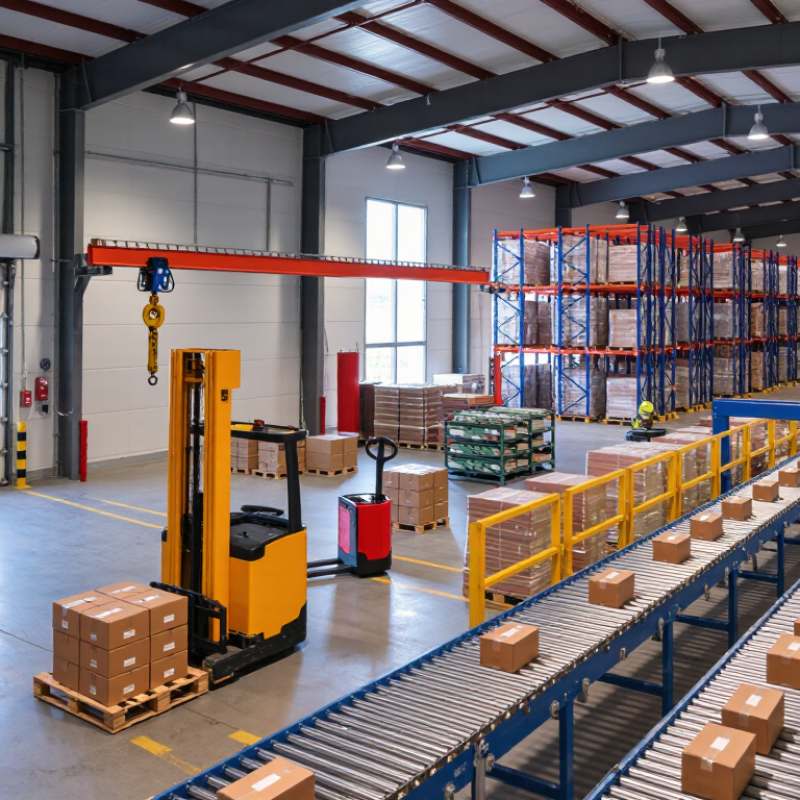
Material handling products are the equipment and systems used to move, store, protect, and track goods inside a facility. Classifying them is more useful than relying on a simple “top products” list, since each type addresses a different task. A pallet jack or conveyor moves loads; shelving and pallet racks hold them; a lift table positions work at a useful height. Small parts may travel in bins, while bulky cartons need broader supports. Details matter. Load weight, dimensions, travel distance, and floor condition all affect the choice.
A practical classification groups products by function: transport equipment, storage systems, unit-load formation, positioning devices, and identification or control tools. Transport equipment includes carts, forklifts, and conveyors, though each suits different routes and work patterns. Storage ranges from bins and shelving to high-bay racks. Pallets, totes, and containers combine items into manageable loads, while hoists and lift tables help workers lift or position them. Labels, scanners, and inventory software support tracking. Categories overlap. A conveyor can connect storage zones, and a tote may serve both storage and transport. That makes comparisons less tidy than a chart suggests. Measure actual loads and observe normal work before choosing equipment; even a careful plan may need adjustment.
Top Material Handling Products and Typical Capacity Ranges
Material handling products move, lift, store, or control materials. Common equipment includes manually operated and powered transport and lifting products.
Bars show the upper end of each typical rated-capacity range. Actual capacity varies by model, configuration, and operating conditions; always check the equipment rating plate.
Which Equipment Moves Materials Within a Facility?
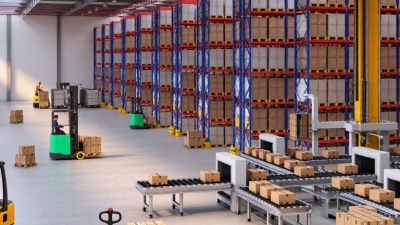
Moving materials inside a facility often depends on distance, load size, and how frequently items travel. Conveyors suit repeated routes between workstations, while carts offer flexibility for smaller batches. A pallet jack can move palletized loads across short, level paths. For heavier loads or vertical storage, forklifts may be appropriate, provided operators have clear travel lanes and adequate training. Small details matter.
Equipment choice should match the actual workflow, not just the heaviest item in the building. Check load dimensions, turning space, floor condition, doorways, and pickup heights. A narrow aisle can make a large vehicle impractical, even when its rated capacity seems suitable. Lift tables help workers position loads at a more comfortable height, reducing repeated bending during handling. They do not remove every ergonomic risk.
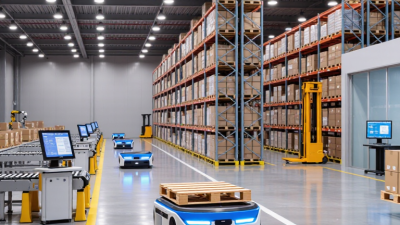
Some facilities combine fixed conveyors with mobile carts or powered vehicles. This can reduce unnecessary carrying, but poorly planned crossings may create congestion near packing areas or entrances. Mark routes, keep pedestrian paths visible, and observe traffic during a busy shift before changing the layout. Automated guided vehicles can support predictable routes, though obstacles and shifting workflows may limit their usefulness. The right setup is rarely perfect on paper; trial runs often reveal awkward turns, blocked access, or stopping points that planners missed.
What Products Lift, Store, and Position Materials?
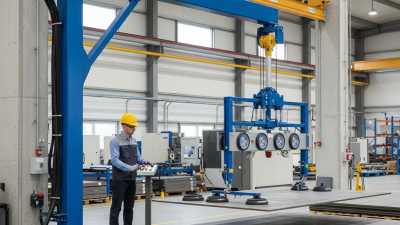
Materials move more safely when equipment matches their weight, shape, travel distance, and working height. Pallet jacks suit short moves across smooth floors. Forklifts handle heavier loads and higher placements, but require clear travel paths. For vertical lifting, hoists can raise machinery or bulky components with controlled movement. Lift tables bring pallets to a comfortable work height. Small adjustments matter.
Storage products include pallet racks for large loads and shelving for smaller parts, bins, or cartons. Check load ratings and inspect the floor before placing heavy materials on racks. Positioning equipment, such as adjustable work stands and turntables, helps workers reach components without repeatedly lifting or twisting. A turntable can bring a box’s far side within easy reach. Still, equipment selection can be imperfect: real workflows often reveal awkward clearances that a floor plan missed.
Tips: Measure doorways, aisle widths, and the tallest load before choosing equipment. Confirm the capacity of the full setup, not just one component. Keep loads stable and centered, and train operators on the specific equipment they use. Watch how materials move during a busy shift. That’s where small problems show.
How Do Conveyors and Automated Systems Improve Material Flow?
Conveyors and automated systems make material flow steadier by reducing unnecessary stops, detours, and manual handoffs. A powered roller line can carry cartons from receiving to inspection, while scanners direct each item toward storage or packing. At busy intersections, sensors and accumulation zones prevent cartons from bunching together. Small changes matter.
MHI’s 2024 Annual Industry Report found that 55% of surveyed supply-chain professionals expected to adopt robotics and automation within five years. That signals strong interest, not guaranteed gains. Conveyors work best when their speed, spacing, and buffer capacity match the real pace of picking and packing. Otherwise, a faster line may simply move congestion downstream.
Automated sortation and control software can route goods using scan data, helping teams spot delays and balance workloads. Useful measures include throughput per hour, order cycle time, and the number of manual touches. Automation is not magic. I would still test the design with peak-season volumes and awkward carton sizes; neat plans often miss those. Maintenance access matters, too. A jammed transfer point can stop an entire line, so operators need clear procedures and room to reach sensors safely.
What Factors Help Select the Right Material Handling Products?
Choosing material handling products starts with the load, not the catalog. Record each item’s weight, dimensions, center of gravity, and travel frequency. A manual pallet truck may suit short transfers on level floors; powered equipment can reduce pushing on longer routes. For cartons, a roller conveyor can keep packing work moving, but only when carton bases are stable. Small details matter. Measure aisle widths, door clearances, floor slopes, and turning space with a loaded unit.
Match the product to the environment and the people using it. Cold rooms, dust, washdown, and uneven concrete can affect material and wheel choices. Check rated capacity, lift height, braking, guarding, and maintenance access against the actual task. Ask operators to trial equipment during a busy shift. A specification sheet cannot reveal awkward handles or blocked sightlines. Compare total cost, including training, batteries, repairs, and downtime. There is no perfect choice. Teams may overestimate future volume and buy equipment that clutters an aisle; real usage data can help guide a later adjustment.