2026 Top Lifting And Handling Equipment For Global Buyers

Global buyers are reassessing Lifting And Handling Equipment as warehouses become faster, denser, and more automated. Cranes, hoists, forklifts, conveyors, and lifting tables now influence productivity, worker safety, and delivery reliability. The stakes are high.

Fortune Business Insights estimates the global material handling equipment market at approximately USD 212 billion in 2023. Its forecast points toward continued expansion through 2032, supported by e-commerce, manufacturing investment, and warehouse modernization. MarketsandMarkets also projects steady growth in lifting equipment, although market boundaries differ between research firms. That difference matters. A “top equipment” list can mislead when it ignores capacity, duty cycle, installation conditions, and service access.

The 2026 buying landscape should therefore focus on measurable operating needs. A 5-ton overhead crane may suit a steel workshop, while a compact electric stacker may better serve a narrow warehouse aisle. Buyers should compare rated load, lifting height, travel speed, battery performance, control systems, maintenance intervals, and available spare parts. The International Labour Organization emphasizes risk prevention and competent operation, while ISO-aligned inspection practices support safer equipment management. Compliance is not a box-ticking exercise.

Reliability matters most.

The World Bank’s Logistics Performance Index highlights the importance of dependable logistics, timely delivery, and operational quality. These priorities extend inside the facility. However, published market forecasts are not perfectly comparable, and supplier claims require verification. This guide evaluates leading Lifting And Handling Equipment through practical performance, lifecycle cost, safety features, energy use, customization, and after-sales support. Global buyers need more than impressive specifications. They need equipment that performs repeatedly, under real conditions, with accountable technical support.

2026 Top Lifting And Handling Equipment For Global Buyers

Lifting and Handling Equipment: Definitions, Types, and Core Functions

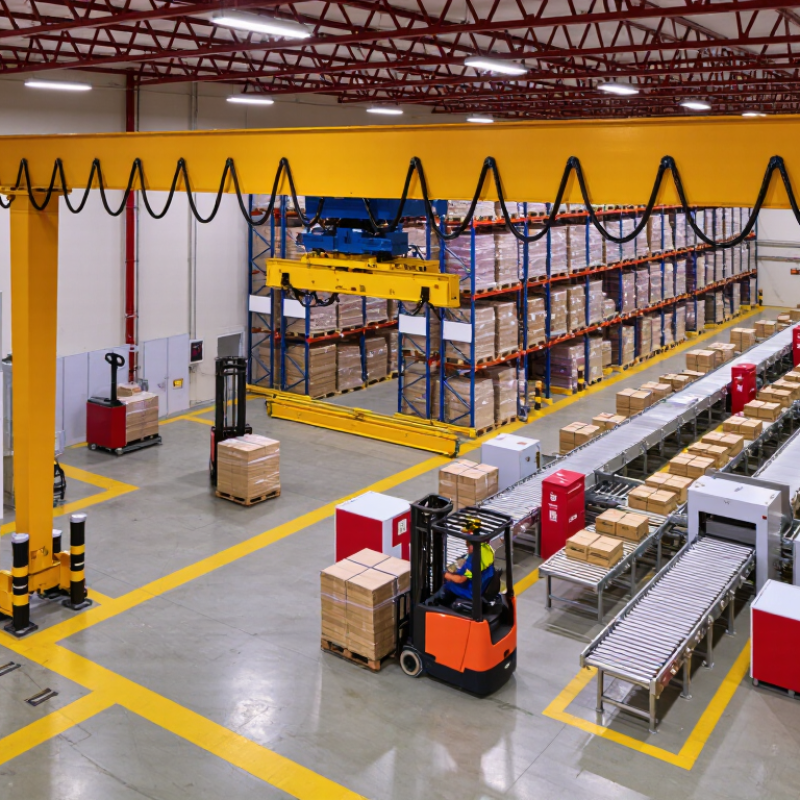
Lifting and handling equipment refers to machines and tools that raise, lower, move, or position loads. Their shared purpose is controlled material movement, not simply greater lifting power. A pallet jack moves goods across floors, while a hoist raises loads vertically. Cranes handle suspended loads across larger work areas. Forklifts combine lifting with short-distance transport. Conveyors move products continuously along fixed routes.

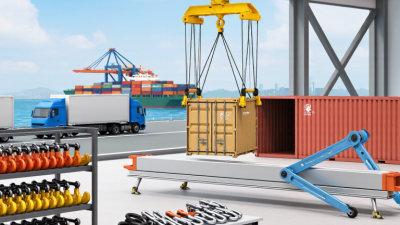
Each equipment type has a different operating method and risk profile. Cranes use beams, hooks, ropes, or chains to control suspended loads. Hoists provide vertical movement in workshops, warehouses, and maintenance areas. Lifting tables adjust working height and reduce awkward manual handling. Slings, shackles, and spreader beams connect loads to lifting systems. Their rated capacity must match the load, attachments, movement angle, and working environment.

Core functions include lifting, lowering, transferring, positioning, and securing materials. Reliable selection begins with load weight, dimensions, center of gravity, travel distance, floor condition, and available space. A small wheel may struggle on uneven concrete. A powerful crane may still be unsuitable in a crowded bay. That detail is often underestimated. Operators should follow manufacturer instructions, inspect components before use, and keep clear communication during movement. No choice is perfect. Real sites change, and equipment decisions sometimes need honest review after daily use.

Key Selection Criteria for Global Buyers in 2026

Global buyers in 2026 should judge lifting and handling equipment by operating reality, not catalogue capacity. Start with the load path: maximum weight, center of gravity, lifting height, travel distance, and daily cycles. A 5-ton rating means little if loads are unbalanced or moved continuously. Measure aisle width and floor condition at the actual site. Small errors here become expensive modifications. Keep it practical.

Specify duty class, motor performance, braking response, control accuracy, and emergency access. Ask for test records, material certificates, inspection schedules, and clear operating manuals. Regional requirements can differ, so documentation should support local conformity assessment, electrical standards, and workplace safety rules. Check language, units, and replacement-part availability before signing. A low purchase price may hide long downtime. That matters more than a polished quotation.

For outdoor use, inspect corrosion protection, wind limits, temperature range, and drainage around controls. For warehouses, review noise, turning radius, battery charging, and pedestrian visibility. Digital monitoring can show overloads and maintenance trends, but weak data protection deserves attention. During supplier evaluation, request a witnessed load test and a service response example. I have seen capable machines fail because training was rushed. That lesson is easy to ignore. It should not be.

2026 Top Lifting and Handling Equipment for Global Buyers

Key Selection Criteria: Representative Rated Capacity by Equipment Type

Rated capacity is a starting point for equipment selection in 2026. Manual hoists are suitable for lighter, maintenance-oriented applications, while electric chain hoists, wire-rope hoists, bridge cranes, and mobile cranes support progressively heavier loads. Global buyers should also verify duty class, lifting height, operating environment, local compliance requirements, inspection procedures, spare-parts availability, and total cost of ownership before purchase. The capacity figures shown are representative reference points; actual working load limits vary by configuration, lifting height, duty cycle, and manufacturer specifications.

Top Equipment Categories for Industrial Lifting and Material Handling

2026 Top Lifting And Handling Equipment For Global Buyers

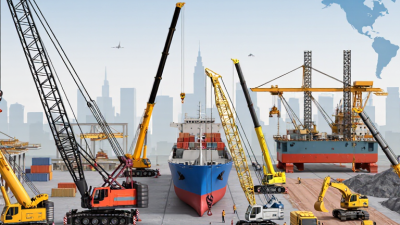
Industrial lifting starts with choosing the right equipment category for the load, distance, and work environment. Overhead cranes suit repetitive movement across fixed production areas. Mobile cranes offer flexibility for construction, maintenance, and outdoor projects. Electric and manual hoists provide controlled vertical lifting where space is limited.

Material handling needs different solutions. Forklifts move palletized goods through warehouses, while pallet trucks support short-distance loading tasks. Conveyors improve steady product flow between workstations. Lift tables help operators position heavy items at a safer working height. Racks, containers, and modular storage systems also affect handling efficiency.

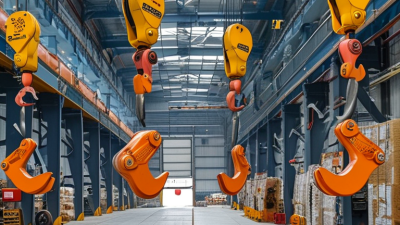
Capacity comes first. Buyers should check rated load, lifting height, duty cycle, aisle width, power supply, and floor conditions. Attachments must match the load shape and center of gravity. Wire ropes, chains, hooks, and slings require visible identification and regular inspection. Keep records.

From practical site assessments, small layout errors often create larger delays than equipment shortages. A forklift may fit the aisle but fail on turning clearance. A crane may lift the load but lack sufficient headroom. These details are easy to miss. They deserve a second review.

Reliable suppliers should provide technical drawings, manuals, inspection guidance, spare-part support, and operator training. Buyers should also verify local safety requirements before purchase. The cheapest option can become expensive through downtime, difficult maintenance, or unsuitable controls. Real sites are messy. Equipment selection should reflect that.

Safety Standards, Compliance, and Operator Requirements

2026 Top Lifting And Handling Equipment For Global Buyers

Safety Standards, Compliance, and Operator Requirements

Global buyers should treat compliance as a purchasing requirement, not a document collected after delivery. A practical review includes rated capacity, load charts, emergency stops, guards, and visible inspection points. Check hooks for deformation, wire ropes for broken strands, and limit switches before approval. Risk assessment should follow recognized principles, such as those described in ISO 12100, while local regulations remain decisive.

Operators need documented training for the exact equipment type. A crane operator cannot automatically operate a forklift safely. Training should cover load stability, center of gravity, travel routes, signaling, weather exposure, and emergency isolation. Competence must be verified through observation, not only a certificate. Keep records of authorization, refresher training, and daily pre-use checks. Language matters. Instructions must be understood on the worksite.

Paperwork is not protection.

Buyers should request manuals, conformity evidence, test reports, maintenance schedules, and spare-parts information before shipment. Independent inspection can reveal problems missed during factory demonstrations. I have seen teams focus on lifting capacity while overlooking floor strength, aisle width, or poor lighting. That mistake is easy to repeat. Requirements also vary by country, so buyers should confirm the current rules with qualified local professionals. Even a strong procedure can fail when production pressure encourages shortcuts. The safer choice is often slower, clearer, and better documented.

2026 Top Lifting And Handling Equipment For Global Buyers - Safety Standards, Compliance, and Operator Requirements

Reference table for equipment selection, regulatory review, inspection planning, and operator qualification.

Equipment Category Typical Industrial Use Typical Capacity / Range Primary Safety Risks Key International or Regional Standards Minimum Compliance Evidence Operator Requirements Inspection and Maintenance Priorities
Overhead and Gantry Cranes Factory production lines, warehouses, steel service centers, maintenance bays, and ports. Commonly 1–100 tonnes; larger systems are engineered for specific buildings and duty classes. Dropped loads, overload, collision, runway failure, electrical contact, and side pulling. ISO 4301-1; ISO 12480-1; ISO 9927-1; EN 13001 series; OSHA 29 CFR 1910.179 where applicable. Rated-load marking, design calculations, manuals, conformity documentation, commissioning records, and inspection history. Documented training and authorization; demonstrated load-control, signaling, pre-use inspection, and emergency-stop competence. Hooks, latches, brakes, ropes or chains, limit devices, controls, buffers, runway alignment, and structural connections.
Mobile Cranes Construction, infrastructure projects, plant installation, utilities, and heavy maintenance. Approximately 10–1,000+ tonnes, depending on crane configuration, boom length, radius, and ground conditions. Tip-over, structural overload, power-line contact, suspended-load swing, ground collapse, and poor visibility. ISO 4309; ISO 12480-1; EN 13000; ASME B30.5; OSHA 29 CFR 1926 Subpart CC where applicable. Current inspection certificates, load charts, configuration records, stability assessment, lift plan, and operator authorization. Competence in load-chart interpretation, setup, outrigger use, ground assessment, communication, wind limits, and power-line controls. Boom, turntable, outriggers, hydraulic systems, wire rope, hook block, safety devices, tires or tracks, and load-moment limiter.
Tower Cranes High-rise construction, large commercial buildings, bridges, and major infrastructure projects. Typical maximum loads range from 4–20 tonnes; capacity decreases as working radius increases. Overturning, structural fatigue, wind loading, dropped loads, collision, and foundation or tie failure. ISO 12480-1; EN 14439; EN 13001 series; OSHA 29 CFR 1926 Subpart CC where applicable. Foundation and tie calculations, erection records, configuration data, wind procedures, inspection reports, and lift plans. Qualified operator plus trained signal person or appointed person; competence in blind lifts, radio protocol, and weather restrictions. Mast, bolts, ties, slew ring, brakes, trolley, hoist rope, limit switches, anti-collision systems, and anemometer.
Rough-Terrain and Telescopic Forklift Trucks Construction sites, agricultural operations, logistics yards, and material placement at variable heights. Commonly 2–25 tonnes; lift height and capacity depend on boom extension, attachment, and load center. Forward or lateral tip-over, falling loads, attachment failure, pedestrian impact, and unstable terrain. ISO 3691-1; EN 1459 series; ASME B56.6; OSHA 29 CFR 1910.178 where applicable. Capacity plate, attachment compatibility data, operating manual, maintenance records, and site risk assessment. Formal operator training, practical evaluation, attachment-specific instruction, travel-route awareness, and daily inspection competence. Tires, steering, brakes, forks, boom, hydraulic hoses, frame, seat belt, warning devices, stability controls, and attachments.
Electric and Internal-Combustion Counterbalance Forklifts Pallet handling, loading docks, manufacturing, cold storage, and distribution centers. Typically 1–16 tonnes, with capacity determined by load center, mast height, attachment, and operating conditions. Pedestrian collision, tip-over, falling pallets, poor visibility, battery hazards, exhaust exposure, and dock-edge falls. ISO 3691-1; EN 16307 series; ASME B56.1; OSHA 29 CFR 1910.178 where applicable. Rated-capacity plate, operator manual, documented training, daily checklists, periodic inspection records, and battery or fuel controls. Employer authorization after training and evaluation; safe stacking, pedestrian separation, dock procedures, and charging or refueling training. Forks, mast chains, hydraulics, brakes, steering, tires, overhead guard, seat belt, alarms, battery, and emissions controls.
Electric Pallet Trucks and Stackers Short-distance pallet movement, order picking, retail distribution, and narrow warehouse aisles. Usually 1–2.5 tonnes; lift height commonly ranges from floor level to approximately 5.5 metres for stackers. Foot injuries, collision, trapped limbs, load instability, ramp run-away, and battery charging incidents. ISO 3691-1; EN 1175; EN 16307-1; ASME B56.1 where applicable. Capacity marking, battery documentation, charger compatibility, operating instructions, and recorded workplace training. Site-specific instruction, pedestrian awareness, travel-speed control, ramp handling, and safe battery charging procedures. Drive wheels, emergency reverse button, tiller controls, brakes, forks, mast, battery, charger, horn, and safety interlocks.
Hoists and Winches Machine maintenance, workshop lifting, material positioning, stage or facility work, and controlled pulling operations. Commonly 0.25–50 tonnes for industrial hoists; winch capacity varies substantially by rope layer and duty cycle. Overload, rope or chain failure, uncontrolled descent, anchor failure, entanglement, and side loading. ISO 4309; ISO 12480-1; EN 14492-2; ASME B30.16; ASME B30.7; OSHA 29 CFR 1910.179 where applicable. Rated-load marking, anchor or support calculations, test records, limit-device verification, manuals, and inspection logs. Training in rigging, line-of-fire control, load-path assessment, pendant or remote control use, and emergency lowering procedures. Rope or chain, drum, sheaves, brake, hook, clutch, limit switches, controls, anchorage, and electrical or hydraulic systems.
Slings, Shackles, Hooks, and Below-the-Hook Devices Connecting and balancing loads for crane, hoist, and lifting-point operations. From a few hundred kilograms to several hundred tonnes, depending on material, configuration, angle, and design factor. Overloading, sharp-edge damage, incorrect angles, unequal loading, sling cutting, and unsecured hooks. ISO 4878; EN 1492 series; EN 13414 series; EN 13889; ASME B30.9; ASME B30.20; OSHA 29 CFR 1910.184 where applicable. Permanent identification, working-load limit, material or grade information, certificates, traceability, and documented inspection criteria. Trained rigger or slinger-signaler able to calculate sling angles, protect edges, identify damage, and control the exclusion zone. Broken wires, cuts, abrasion, heat or chemical damage, stretched links, deformed hooks, latch function, cracks, and corrosion.
Aerial Work Platforms and Scissor Lifts Installation, inspection, building maintenance, warehousing, and elevated access work. Typical platform heights range from 4–40 metres; rated platform loads commonly range from 200–1,000 kilograms. Falls from height, overturning, entrapment, overhead obstruction, wind exposure, and electrical contact. ISO 16368; EN 280-1; ANSI/SAIA A92 series; OSHA 29 CFR 1910.67 and 1926.453 where applicable. Current examination record, platform capacity label, emergency-lowering test, site risk assessment, and rescue plan. Familiarization and documented operator training; harness or restraint use where required; emergency and ground-control competence. Guardrails, gates, lanyard points, tilt and overload alarms, emergency controls, tires, batteries, hydraulics, and structural welds.
Vacuum Lifters and Magnetic Lifters Handling glass, sheet metal, panels, stone, concrete products, and smooth non-porous materials. Commonly 100 kilograms to 10 tonnes; capacity depends on surface condition, thickness, temperature, and orientation. Loss of adhesion, vacuum leakage, insufficient magnetic contact, power failure, and load rotation. ASME B30.20; EN 13155; applicable machinery and electrical safety requirements in the destination market. Rated-load marking, surface and material limitations, alarm test records, battery or power-failure safeguards, and operating instructions. Training in surface assessment, attachment positioning, alarm response, exclusion zones, and prohibited side or shock loading. Seals, hoses, filters, vacuum indicators, magnets, contact surfaces, batteries, alarms, control valves, and backup systems.
Manual Chain Blocks and Lever Hoists Maintenance work, equipment positioning, construction adjustment, and occasional lifting where power is unavailable. Commonly 0.5–20 tonnes, with capacity affected by anchorage, lift configuration, and operating angle. Anchor failure, overload, chain or hook damage, uncontrolled movement, and hand or pinch injuries. ISO 16872; EN 13157; ASME B30.21; ASME B30.16 where applicable. Rated-load marking, manufacturer instructions, pre-use inspection record, support verification, and periodic examination documentation. Instruction in straight-line loading, anchorage selection, hand positioning, load control, and prohibition of personnel lifting unless specifically designed and approved. Load chain, hand chain, hooks, latches, gears, brake, side plates, pins, deformation, corrosion, and free movement.
Warehouse Conveyors and Sortation Systems Continuous movement of cartons, parcels, totes, pallets, and components in logistics and manufacturing facilities. Load and speed are system-specific; many unit-load systems handle approximately 25–2,000 kilograms per item. Entanglement, nip points, unexpected start-up, falling items, blocked access, and inadequate emergency isolation. ISO 12100; ISO 13849-1; EN 619; EN 620; applicable electrical and machinery safety legislation. Risk assessment, guarding verification, emergency-stop validation, lockout procedures, control-system documentation, and maintenance records. Operators require system-specific induction, jam-clearing procedures, emergency-stop awareness, and authorized isolation training. Belts, rollers, chains, guards, sensors, emergency-stop cords, drives, transfer points, accumulation zones, and interlocks.
Dock Levelers and Vehicle Restraint Systems Safe transfer between loading docks and trucks during palletized goods handling. Commonly rated for approximately 6–15 tonnes of distributed or concentrated load, subject to design. Vehicle movement, dock separation, falling from the edge, crushing, bridging failure, and uneven loading. EN 1398; EN 1398-related national requirements; OSHA 29 CFR 1910.26 and 1910.178 where applicable. Rated-capacity marking, installation records, vehicle-restraint procedure, interlock testing, and documented inspections. Training in trailer verification, restraint confirmation, dock-plate positioning, pedestrian exclusion, and emergency procedures. Lip and hinge, hydraulic cylinders, supports, restraints, warning lights, interlocks, bumpers, pit condition, and deck plate.
Buyer Verification Notes: Capacity values are indicative ranges only and must not replace the equipment nameplate, approved load chart, engineering calculations, or the applicable local regulations. Before purchase or import, verify the destination market’s conformity-assessment route, language requirements, electrical specifications, environmental conditions, inspection intervals, spare-parts availability, operator-training obligations, and requirements for lifting people.

Purchasing, Maintenance, and Future Trends in Global Markets

Global buyers are treating lifting and handling equipment as long-term assets, not simple warehouse purchases. In 2026, purchasing teams should compare rated capacity, duty cycles, control systems, spare-part access, and operator training. A low purchase price can hide costly downtime. Ask suppliers for test records, material certificates, inspection procedures, and clear warranty terms. Factory visits or video audits can reveal poor storage, weak documentation, or rushed assembly.

Maintenance planning should begin before installation. Keep daily inspection sheets near each machine. Operators can check hooks, chains, brakes, alarms, wheels, and unusual noise before every shift. Lubrication schedules must match dust, humidity, temperature, and working hours. I have seen clean equipment fail because one small fastening point was ignored. That mistake was preventable. Independent load testing and calibrated instruments improve confidence, especially when equipment moves heavy goods across multiple sites. Digital records also help purchasing teams verify recurring faults.

Future demand will favor electric systems, regenerative braking, modular attachments, and remote condition monitoring. These features can reduce energy use and improve planning, but they also require trained technicians and secure data management. Automated handling may increase productivity in predictable warehouses. It can struggle with damaged pallets or changing floor conditions. Buyers should test equipment in real operating spaces, not only polished demonstrations. Some forecasts feel too optimistic. Practical trials still matter.